
Narayanganj, Dhaka

Panam City

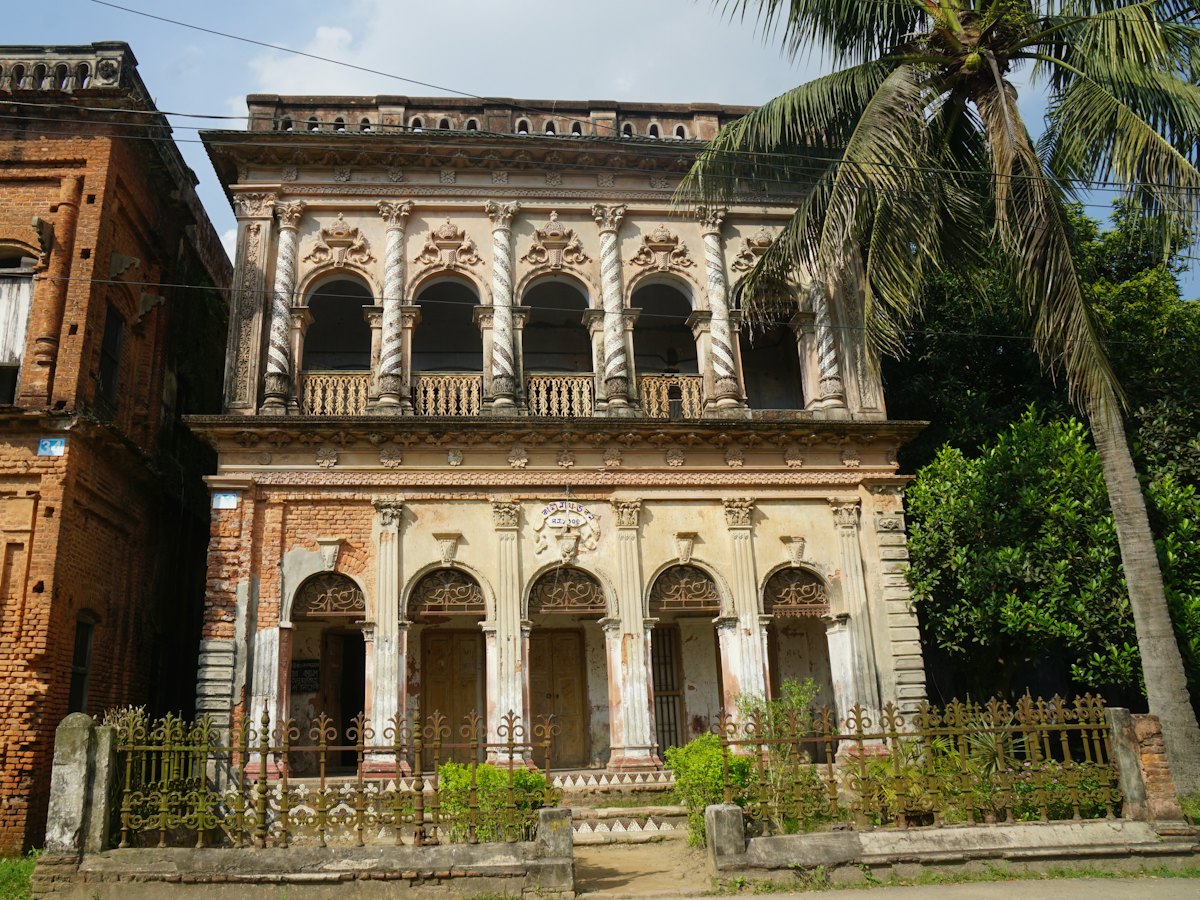
A street of ruined 19th-century merchant houses in the old capital, an easy day trip.

Local food to try

  • Bhorta and rice

    Panam City

    Rice with mashed vegetables, fish or lentils seasoned with mustard oil and chilli — simple village-style food.

  • Pitha

    Panam City

    Rice cakes such as bhapa pitha and chitoi pitha, sold fresh from roadside stalls in winter.

  • Milk tea

    Panam City

    Sweet, strong tea from the stalls near the museum gate.

Where to eat

  • Local eateries near the museum

    Sonargaon

    Simple rice-and-curry hotels and snack stalls around the museum and Panam.

    Open in Google Maps (opens in a new tab)
  • Mograpara

    On the Dhaka–Chattogram highway

    More restaurants at the highway junction, on the way in or out.

    Open in Google Maps (opens in a new tab)

Where to stay

  • Dhaka — an easy day trip

    Panam City

    Most visitors come from Dhaka and return the same day; stay in Motijheel or Paltan for the quickest start towards the highway.

    Open in Google Maps (opens in a new tab)

Culture

Sonargaon is closely tied to Bengal’s craft traditions: the old capital was famed for its fine muslin, and the Folk Arts and Crafts Museum displays wood carving, pottery, nakshi kantha embroidery, metalwork and masks from across the country. Craftspeople sell their work in the museum grounds, and the foundation holds a folk crafts fair each year — check the dates locally if you want to time your visit for it.

History

Panam Nagar is a single, narrow street of old merchant houses in Sonargaon, south-east of Dhaka. Sonargaon itself is far older: it was a seat of the Muslim rulers of eastern Bengal in the 13th and 14th centuries, and later the base of Isa Khan, the leader of the Baro-Bhuiyan chieftains who resisted the Mughals.

The houses of Panam were built mostly in the 19th and early 20th centuries by wealthy Hindu merchants, many of whom traded in cloth. Two rows of two- and three-storey buildings face each other along the street, with arches, cast-iron balconies, carved pillars and colourful mixtures of European and local styles. After Partition in 1947 most of the families left, and the houses slowly fell into ruin. Today the street is a protected heritage site.

Nearby, the Bangladesh Folk Arts and Crafts Foundation, set up in 1975 at the initiative of the artist Zainul Abedin, runs the Folk Arts and Crafts Museum in a restored mansion known as Sardar Bari, set in large grounds with a lake.

Tour plans

A day trip to Sonargaon

1 day
  1. Step 1: Leave Dhaka early

    Take a morning bus towards Mograpara to beat the highway traffic.

  2. Step 2: Folk Arts and Crafts Museum

    See the crafts collection in Sardar Bari and walk the grounds and the lake.

  3. Step 3: Lunch

    Rice, bhorta and fish at a local eatery near the museum.

  4. Step 4: Panam Nagar

    Walk the length of the street in the softer afternoon light and look at the façades and ironwork.

  5. Step 5: Back to Dhaka

    Head back to the highway before dark; the evening traffic into the city can be slow.

Plan your visit

Best time to visit

November to February, on a weekday, leaving Dhaka early in the morning to beat the highway traffic.

How to get there

About 25 km south-east on the Dhaka–Chattogram highway. Take a bus to Mograpara, then a rickshaw or CNG to Sonargaon; allow 1.5–2 hours with traffic.

Getting around

  • Panam Nagar and the Folk Arts and Crafts Museum are close to each other: walk, or take a rickshaw between them.
  • The Panam street itself is best explored on foot.
  • Rickshaws and CNGs wait at the gates for the trip back to the highway at Mograpara.

Travel tips

  • Leave Dhaka early: the highway traffic can double the journey time later in the day.
  • Check opening days before you go — the museum and the Panam street have their own ticket counters and closing days.
  • Many Panam houses are fragile: do not climb on walls or enter buildings that are fenced off.
  • Weekends and holidays are very crowded; a weekday visit is far more pleasant.
  • Wear comfortable shoes and bring water — you will walk a lot between Panam and the museum grounds.

Discover