
Chapainawabganj, Rajshahi
Chapainawabganj
The mango capital of Bangladesh on the Indian border, where the ruins of Gaur, the old capital of the Bengal Sultanate, still stand among the orchards of Shibganj.
Local food to try
Where to eat
Where to stay
Culture
Gombhira is Chapainawabganj’s own folk song: two performers, often an old man and his “grandson”, trade witty lines on everyday problems and local politics. It is performed at fairs and cultural events.
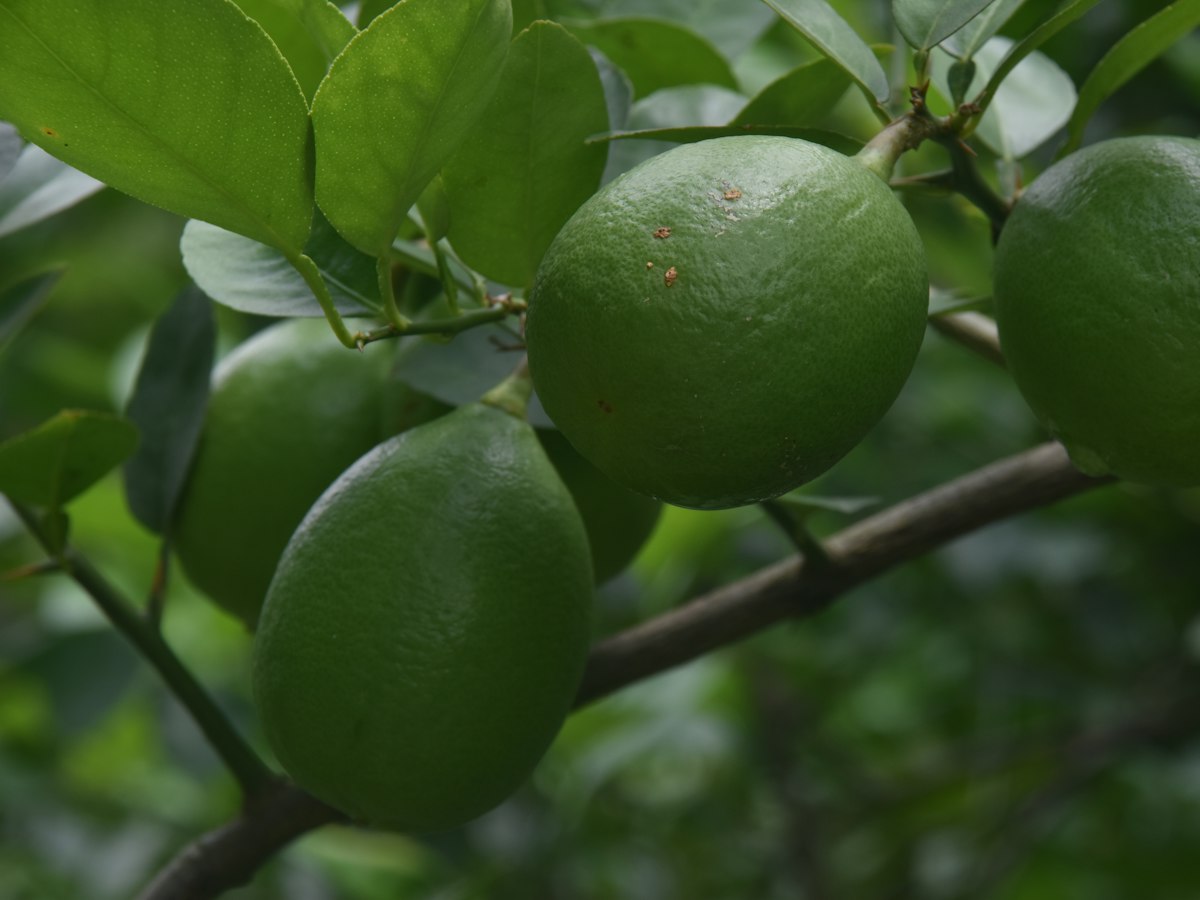
- The mango season shapes the year. Kansat in Shibganj has one of the country’s biggest mango markets, busy from late May into July.
- Santal communities live in Nachole and the Barind villages, with their own festivals and dances.
- Around Shibganj you will see the Gaur heritage everywhere — old bricks, dighis and mosques among the orchards.
History
Chapainawabganj sits at the far western corner of Bangladesh, where the Mahananda meets the Padma. Its Shibganj upazila holds part of Gaur, for centuries the capital of Bengal under the sultans; the rest of the old city lies across the border in India. The mosques, gateways and madrasas that survive here are among the finest brick and stone buildings of the sultanate.
Later, under the Mughals and the Nawabs of Bengal, the area remained a place of saints and estates — Shah Shuja’s Tohakhana dates from that time. The district town grew on the bank of the Mahananda and became a district of its own in 1984.
In 1950 the Nachole area saw the Tebhaga peasant uprising, led by Ila Mitra with Santal and Bengali farmers, still remembered in the district. Today Chapainawabganj is best known for its mango orchards, its Gombhira songs and its quiet, rural pace.
Plan your visit
Best time to visit
October to February for the heritage sites; late May to July for the mango season
How to get there
- By bus from Dhaka: about 6–7 hours via the Jamuna Bridge and Rajshahi, with day and night coaches to the district town; some continue to Shibganj and Sona Masjid.
- By bus from Rajshahi: about 1.5 hours to Chapainawabganj town, with frequent departures.
- By train: Chapainawabganj has a railway station with a direct train from Dhaka and local trains from Rajshahi; check current schedules.
Getting around
- In town, rickshaws and battery auto-rickshaws go everywhere.
- For Shibganj, Kansat and Sona Masjid, take a local bus or CNG from the town; the ride to the Sona Masjid area takes about an hour.
- The Gaur monuments around Choto Sona Mosque are close together — hire an auto-rickshaw for a few hours to see them all.
- The area near the border has BGB posts; carry ID and follow their instructions.