
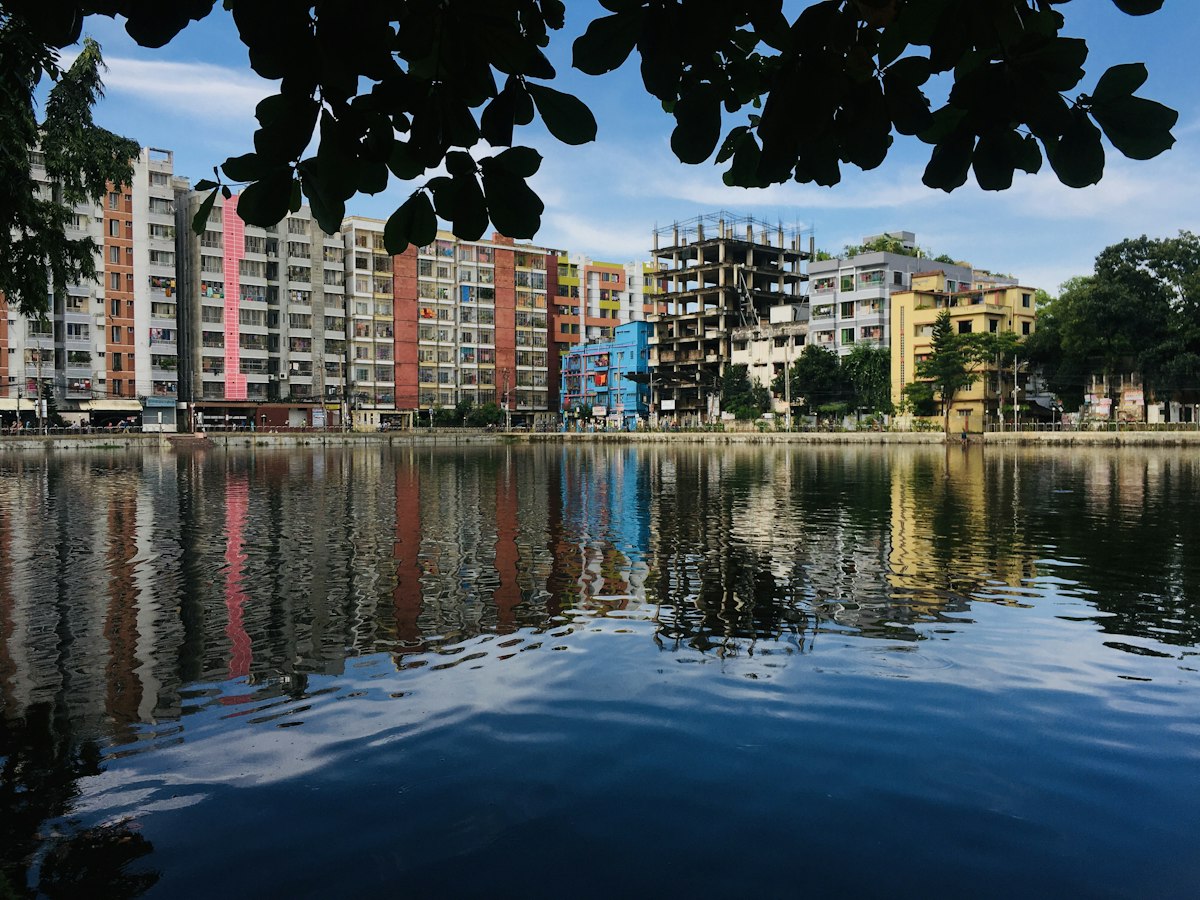
Cumilla, Chattogram
Cumilla
An old town on the Gomti river, two to three hours from Dhaka, with the Buddhist ruins of Mainamati and Shalban Vihara on the Lalmai hills, a Second World War cemetery and the country’s most famous rosomalai.
Local food to try
Where to eat
Where to stay
Culture
Cumilla has long been a town of learning and music.
- Khadi, hand-spun and hand-woven cotton, became Cumilla’s signature cloth during the swadeshi movement; khadi shops in town sell kurtas, saris and fabric.
- The composer Sachin Dev Burman, of the Tripura royal family, was born in Cumilla, and Kazi Nazrul Islam spent time here in the 1920s and married Pramila Devi of the town.
- Pahela Baishakh and the winter fairs fill the town; in winter, pitha sellers set up on street corners.
- The Buddhist heritage of Mainamati is a living link to the region’s past, and Buddhist communities still visit the sites.
History
Cumilla lies at the foot of the Lalmai–Mainamati ridge, a low line of red hills that rises out of the flat delta just west of the town. Between roughly the 7th and 12th centuries this ridge was a centre of the ancient kingdom of Samatata, ruled by Buddhist and later Hindu dynasties; excavations have uncovered monasteries, temples and stupas, the best known being Shalban Vihara.
For centuries the plains around the town belonged to the kings of Tripura, whose names survive in places such as Dharmasagar, the great tank in the town centre. Under British rule the district was called Tippera; it became Comilla in 1960, and the spelling Cumilla was adopted in 2018.
During the Second World War Cumilla was an important Allied base for the Burma campaign, and the Mainamati War Cemetery is its quiet reminder. Later the Bangladesh Academy for Rural Development (BARD) at Kotbari made the name known worldwide through the “Comilla model” of village cooperatives.
Today it is a busy, well-connected town on the Dhaka–Chattogram highway, known for its educational institutions, its hand-woven khadi and above all its rosomalai.
Plan your visit
Best time to visit
November to February, when it is cool and dry for walking the ruins
How to get there
- By bus from Dhaka: about 2–3 hours on the Dhaka–Chattogram highway, longer in heavy traffic. Buses leave often through the day from the Saydabad and Jatrabari side of Dhaka.
- By bus from Chattogram: about 3–4 hours on the same highway.
- By train: Cumilla station is on the Dhaka–Chattogram line, and some intercity trains stop there; check the current schedule.
- Many long-distance buses stop on the highway outside the town, so ask whether yours goes into Cumilla itself.
Getting around
- Kandirpar is the town centre; rickshaws and battery auto-rickshaws go everywhere in town.
- For Kotbari, Shalban Vihara and the Mainamati Museum, take a CNG or auto-rickshaw west of town, or hire one for half a day.
- The War Cemetery lies by the cantonment, a short CNG ride from the centre; it combines easily with the ruins.
- Hiring a car or CNG for a day is the simplest way to see the Lalmai–Mainamati sites together.