
Gopalganj, Dhaka
Gopalganj
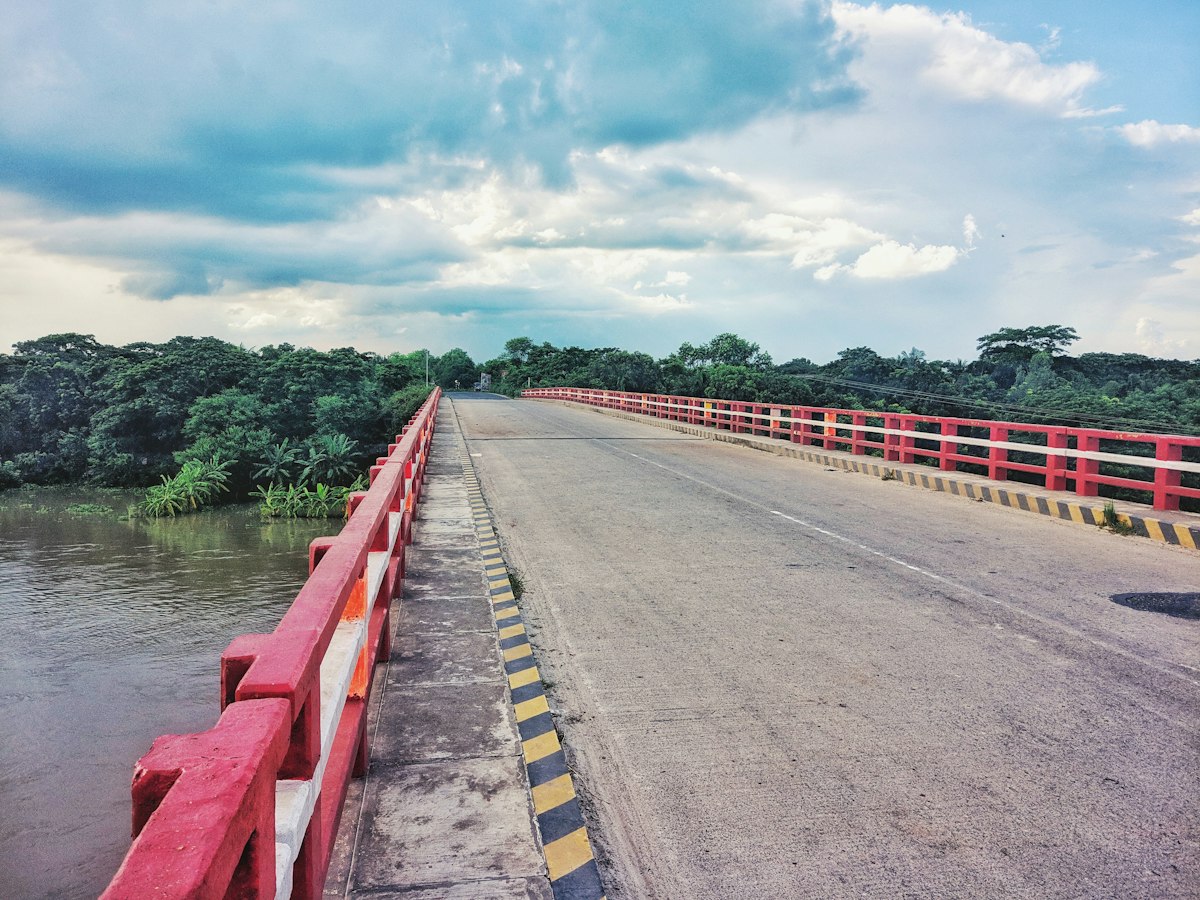
A low-lying district of rivers, beels and canals on the Madhumati, known for Tungipara — birthplace and resting place of Bangabandhu Sheikh Mujibur Rahman — and for Orakandi, the centre of the Matua faith.
Local food to try
Where to eat
Where to stay
Culture
Gopalganj has a large Hindu population alongside its Muslim majority, and its festivals reflect both.
- Matua faith: Orakandi is the spiritual centre of the Matua community; the Baruni Snan gathering there each spring draws great crowds of devotees, with kirtan, drums and flags.
- Wetland life: fishing, boat-building and, in Kotalipara and nearby, floating gardens — vegetable beds grown on rafts of water hyacinth — are part of daily life.
- Festivals: Eid, Durga Puja and Pohela Boishakh are celebrated across the district, and national days are marked at Tungipara.
History
Gopalganj sits in the low wetlands of the south-west, bordered by the Madhumati river and laced with canals and beels that fill with water for much of the year. Boats were long the main way to travel, and much of the district still floods in the monsoon.
The district is best known as the birthplace of Bangabandhu Sheikh Mujibur Rahman, the leader of Bangladesh’s independence movement and the country’s founding president, who was born at Tungipara in 1920 and is buried there.
Gopalganj is also the home of the Matua movement, a devotional Hindu tradition founded by Harichand Thakur in the nineteenth century at Orakandi in Kashiani. Gopalganj was a subdivision of greater Faridpur and became a district in 1984.
Plan your visit
Best time to visit
November to February for cool weather; the monsoon shows the beels at their fullest
How to get there
- By bus from Dhaka: via the Padma Bridge and Bhanga, roughly 3–4 hours to Gopalganj town. Some buses run on to Tungipara; check when you book.
- From nearby cities: Faridpur, Madaripur, Khulna and Jashore are each a few hours or less by road.
- By train: Gopalganj town has a railway station; check current services and routes before you travel.
Getting around
- In Gopalganj town, use rickshaws and battery auto-rickshaws.
- For Tungipara, Kotalipara and Kashiani, take local buses or hire a CNG for the day.
- Boats are still used on canals and beels in the countryside, especially in the monsoon.