
Habiganj, Sylhet
Habiganj
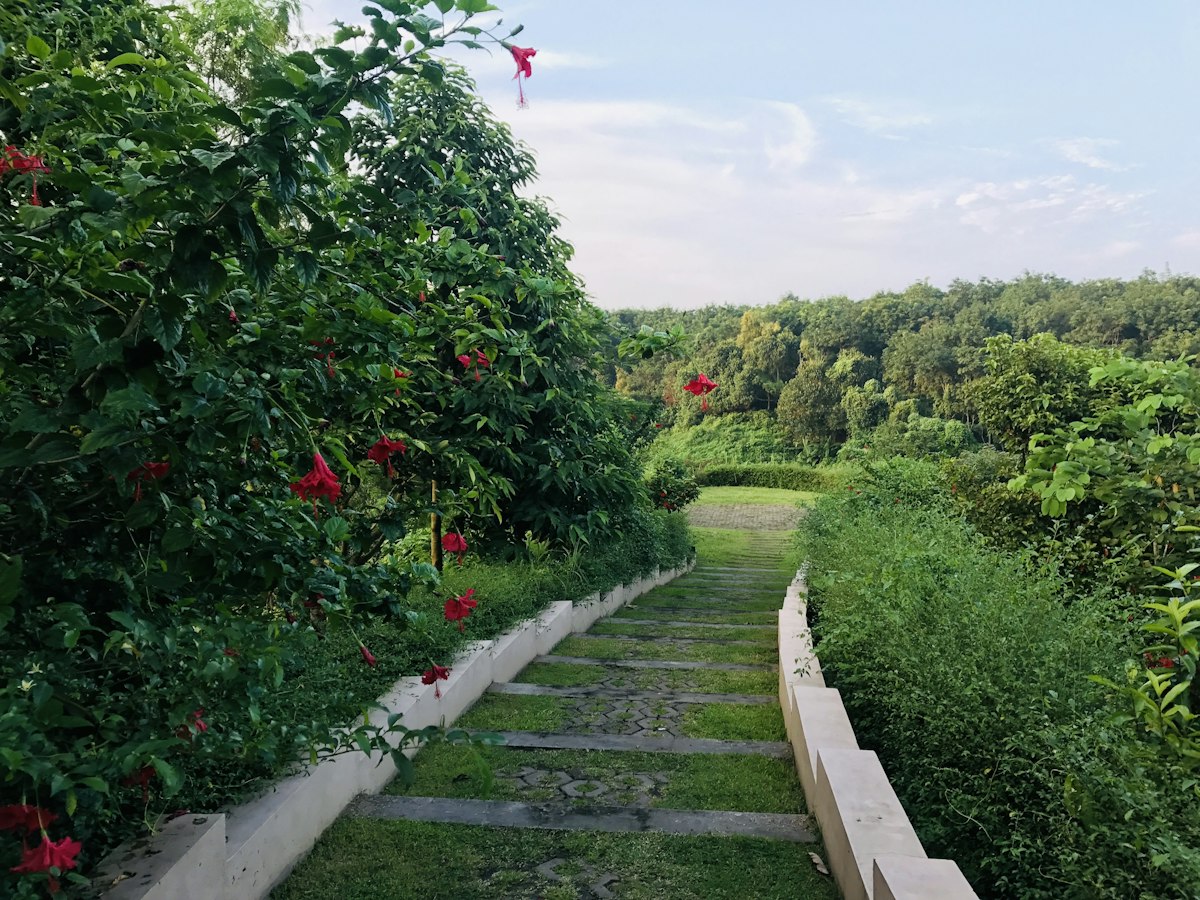
The southern gateway to Sylhet: tea gardens and hill forests on the eastern border, wide haors in the west, and the forests of Satchari and Rema-Kalenga, home to gibbons and hornbills.
Local food to try
Where to eat
Where to stay
Culture
Habiganj mixes tea-garden, forest and haor cultures.
- Tea communities live in the many gardens of Chunarughat, Madhabpur and Bahubal, with their own languages, songs and festivals such as Phagua.
- Tripura villages lie inside and around the forests; there is one within Satchari National Park.
- Haor life in the west follows the water: boro rice in the dry months, fishing and boats in the rains.
- Liberation War history: the Teliapara meeting of 4 April 1971 is remembered at the memorial in the tea estate.
- The mystic and folk song traditions of greater Sylhet are alive here too, sung at village gatherings and shrines.
History
Habiganj is the first district of Sylhet division on the road from Dhaka. It stretches from the low hills along the Tripura border in the east to the haors of Baniachong, Ajmiriganj and Lakhai in the west, with the Khowai river running through the middle past Habiganj town.
The eastern hills are tea and forest country. British planters opened gardens around Chunarughat, Madhabpur and Bahubal, and the forests that survive between them — Satchari and Rema-Kalenga — are among the richest in the country. At Teliapara tea estate, senior Bengali officers met on 4 April 1971 to plan the Liberation War; a memorial now marks the spot.
The west is haor and old village country. Baniachong, often called one of the largest villages in Asia, has old mosques and big ponds from the days of its local rulers. Under the ground, Habiganj also holds several of Bangladesh’s important gas fields.
Most travellers stop in Habiganj for its forests and tea gardens, which are an easy detour from the Dhaka–Sylhet highway.
Plan your visit
Best time to visit
November to February for forest walks and dry trails; June to September for green tea gardens and full haors
How to get there
- By bus from Dhaka: about 3.5–4.5 hours to Habiganj town, often via Shaistaganj on the Dhaka–Sylhet highway. Dhaka–Sylhet buses also stop at Shaistaganj and pass close to Satchari and Teliapara.
- By train from Dhaka: Dhaka–Sylhet trains stop at Shaistaganj junction, about 20–30 minutes from Habiganj town by CNG or auto-rickshaw.
- From Sylhet: about 2.5–3 hours by bus to Habiganj town; trains also run to Shaistaganj.
Getting around
- Rickshaws, auto-rickshaws and CNGs in Habiganj town and Shaistaganj.
- For Satchari, Teliapara and Rema-Kalenga, hire a CNG or car for the day; local buses and CNGs also run to Chunarughat.
- The road to Rema-Kalenga is rough in places; jeeps and motorbikes manage it best after rain.
- Boats are the way around the western haors (Baniachong, Ajmiriganj) in the wet season; agree the fare before you set off.