
Sylhet

Jaflong

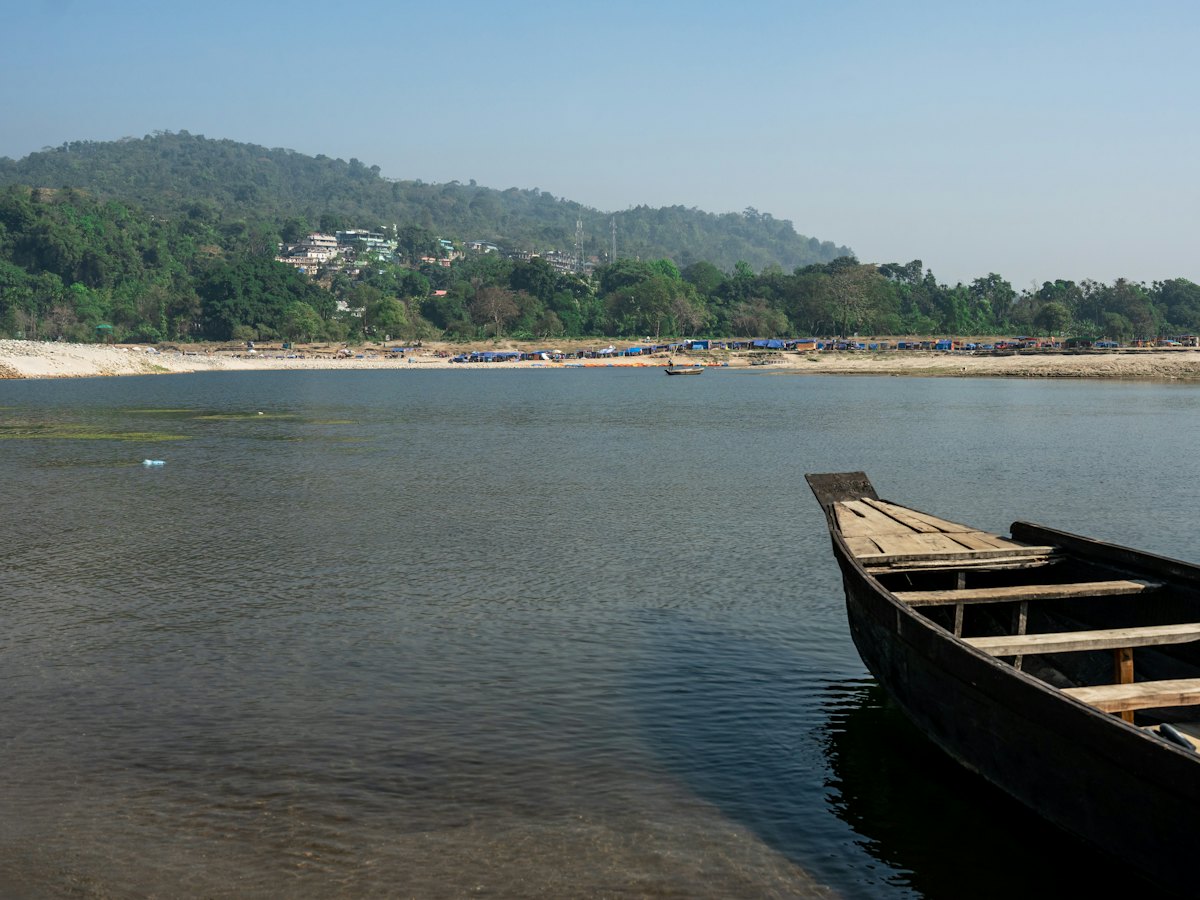
Clear water over stones on the Piyain river, with the Khasi hills rising just across the border.

Local food to try

  • Khasi paan

    Jaflong

    Betel leaf grown in the Khasi villages nearby, stronger and more peppery than plains paan.

  • River fish with rice

    Jaflong

    Simple meals of freshwater fish curry, dal and bhorta at the eateries near the river.

  • Fresh tea

    Jaflong

    Strong milk or red tea from the stalls, made with tea from the local gardens.

Where to eat

  • Eateries near the river

    Jaflong

    Simple restaurants and tea stalls by the road down to the river, serving rice, fish, chicken and snacks.

    Open in Google Maps (opens in a new tab)
  • Back in Sylhet city

    Zindabazar, Sylhet

    For a bigger meal, eat in Zindabazar on your way back in the evening.

    Open in Google Maps (opens in a new tab)

Where to stay

  • Sylhet city hotels

    Sylhet city

    Most visitors make Jaflong a day trip and sleep in the city, where the choice is far wider.

    Open in Google Maps (opens in a new tab)
  • Small hotels and resorts at Jaflong

    Jaflong

    A handful of simple places near the river, for those who want an early morning by the water.

    Open in Google Maps (opens in a new tab)

Culture

The Khasi community lives in villages (punji) near Jaflong. Their main crop is betel leaf, grown on vines climbing forest trees, and Khasi paan is sold across Sylhet. If you walk into a village, remember these are people’s homes: ask before taking photos and keep to the paths.

History

Jaflong sits at the foot of the Khasi and Jaintia hills, right on the border with the Indian state of Meghalaya. The Piyain river comes down out of the hills here, and for much of the year its water is so clear that you can see the stones on the bed. Across the river the hills rise steeply, and on a clear day you can see the suspension bridge at Dawki on the Indian side.

The stones are not just scenery. For generations people have made a living collecting and crushing the stones and sand the river carries down, and you will see boats and workers along the banks. Nearby are Khasi villages, where families grow betel leaf (paan) on trees in the forest, and a tea estate climbs the low hills.

Jaflong is one of the most visited places in Sylhet: the mix of river, stones, hills and border makes it a classic day out from the city, and it is easy to combine with Lalakhal or Tamabil on the same road.

Tour plans

A day at Jaflong

1 day
  1. Step 1: Morning — leave Sylhet early

    Set off by car or CNG soon after sunrise to beat the traffic on the Tamabil road.

  2. Step 2: Mid-morning — the river and the stones

    Walk down to the Piyain, take a boat across and spend time on the stones with the hills in front of you.

  3. Step 3: Midday — lunch by the river

    Rice and fish at one of the eateries near the river, then tea.

  4. Step 4: Afternoon — Khasi village or tea estate

    Walk up to see the betel-leaf groves and the tea gardens, or stop at Lalakhal on the way back if you started early.

  5. Step 5: Evening — back to Sylhet

    Leave before dark and have dinner in Zindabazar.

Plan your visit

Best time to visit

October to March for clear water and safe bathing; the monsoon (June–September) brings full, fast water and greener hills but stronger currents.

How to get there

About 60 km from Sylhet city on the Tamabil road, 1.5–2 hours. Hire a CNG or car for the day, or take a local bus towards Jaflong.

Getting around

From the road it is a walk down steps to the river. Small boats cross the Piyain and run along the stony banks; on the far side you walk over the stones. Paths into the Khasi villages and the tea estate are on foot.

Travel tips

  • The current can be strong, especially in the rainy season. Do not swim beyond where locals bathe, and keep children close.
  • The border is right there. Stay on the Bangladesh side, follow BGB signs and instructions, and do not cross the marked line, even on the stones.
  • Wear sandals with grip — wet stones are slippery — and bring a change of clothes if you plan to get in the water.
  • Leave Sylhet early: the road gets busy, and the light on the hills is best in the morning.
  • Agree the boat fare and how long you will be out before you set off.

Discover