
Jamalpur, Mymensingh
Jamalpur
A river district between the Jamuna and the Old Brahmaputra, known for nakshi kantha embroidery, with the Garo foothills at Lauchapra in its far north.
Local food to try
Where to eat
Where to stay
Culture
Jamalpur is known for nakshi kantha, the embroidered quilts of rural Bengal, and for hand embroidery on saris, shawls and cloth; you can buy them in the town’s handicraft shops.
- The shrine of Shah Jamal in the town is a place of pilgrimage.
- The northern border area is home to Garo and other hill communities.
- The district shares the folk music of greater Mymensingh, from baul songs to the old ballads.
History
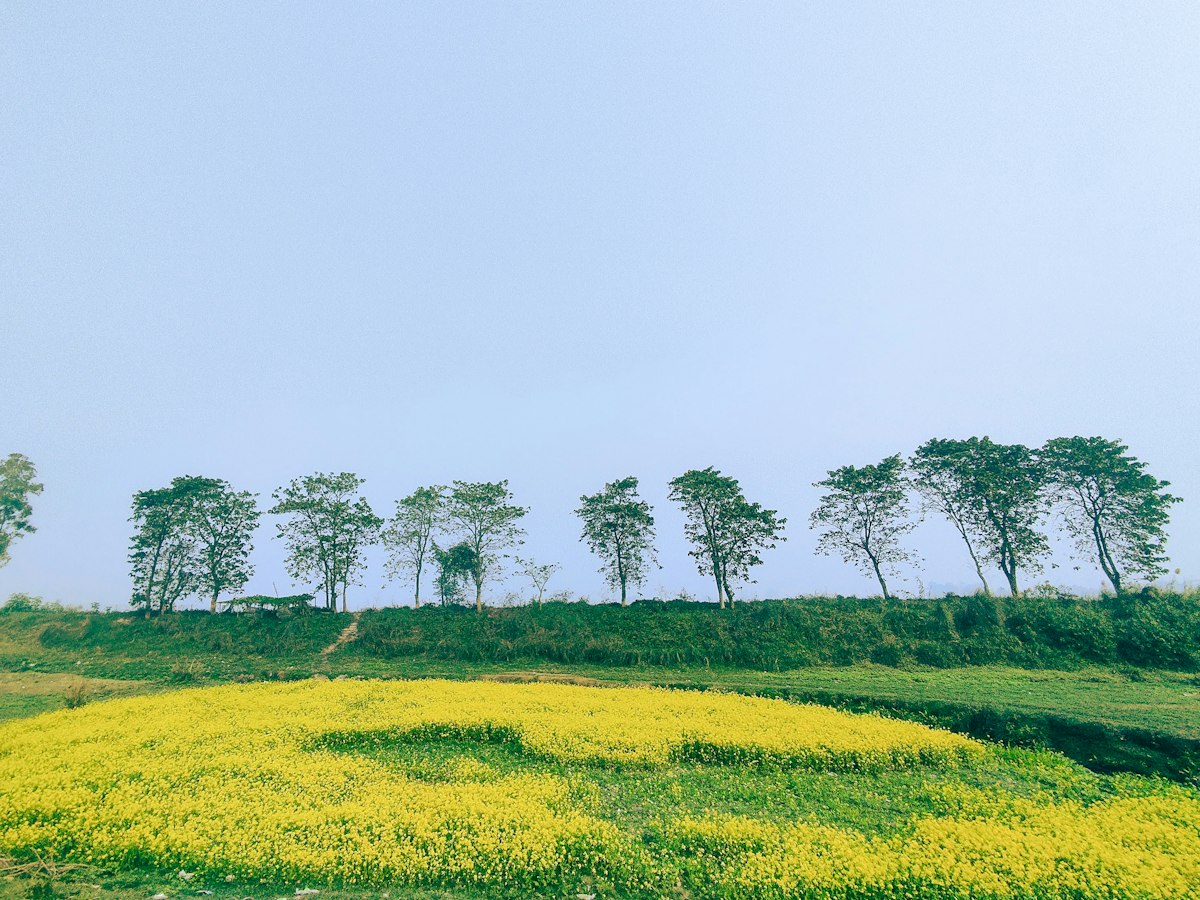
Jamalpur is shaped by water. The Jamuna, the main stream of the Brahmaputra since it changed course around two centuries ago, runs along its western side, and the Old Brahmaputra passes the district town. Wide chars, river ghats and farmland make up much of the district.
The town is said to take its name from the Sufi saint Shah Jamal, whose shrine is in the town. Jamalpur became a district of its own in 1978, separated from greater Mymensingh.
In the far north, at Bakshiganj, the plains meet the Garo foothills along the border, where the Lauchapra recreation area sits among low forested hills. Jamalpur is also known across the country for nakshi kantha and hand embroidery, worked by women in the villages.
Plan your visit
Best time to visit
November to February for Lauchapra and the chars; the rivers are fullest from July to September
How to get there
- By bus: buses from Dhaka’s Mohakhali terminal reach Jamalpur town in about 4–5 hours.
- By train: several trains run from Dhaka to Jamalpur, about 4–5 hours, some continuing north to Dewanganj; check the current timetable.
- From Mymensingh, buses and trains take about 1.5–2 hours.
Getting around
- In Jamalpur town, rickshaws and auto-rickshaws.
- For Lauchapra, take a bus or CNG north to Bakshiganj, then on to the park.
- For the Jamuna and its chars, go to a river ghat and hire a boat with a local boatman.