
Joypurhat, Rajshahi
Joypurhat
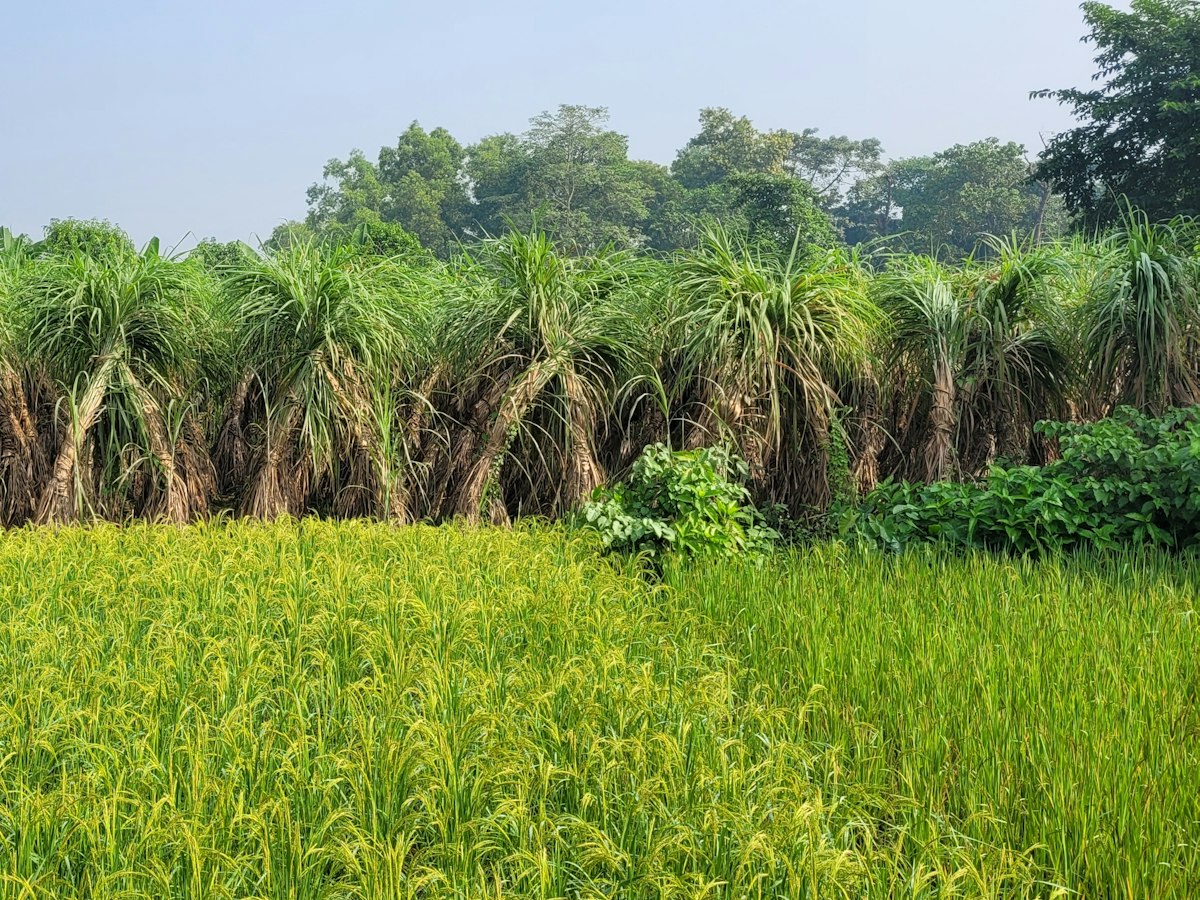
A small, green farming district on the Indian border between Bogura and Dinajpur, known for its potatoes and sugar mill, an old zamindar palace at Lakma and easy access to Paharpur.
Local food to try
Where to eat
Where to stay
Culture
Joypurhat’s culture is that of the Varendra villages: harvest fairs, Pohela Boishakh gatherings and religious festivals shared across communities.
- Santal and other indigenous communities keep their own festivals, songs and dances, especially around the harvest.
- Village fairs at old temples and shrines draw crowds from across the district at their yearly dates.
- The sugarcane crushing season in winter is when the district is busiest, with cane carts on every road to the mill.
History
Joypurhat is one of the youngest districts in the country: long part of Bogura, it became a separate district in 1984. Its land belongs to the old Varendra country of red soil and slow rivers such as the Tulshiganga and Chhoto Jamuna, where the Pala-era monastery of Paharpur stands just across the border with Naogaon.
The town grew up around the railway, which still carries trains between Santahar and the far north-west. In the 1960s Joypurhat Sugar Mills was built here, and sugarcane and potatoes became the district’s mainstays — Joypurhat potatoes are sold across the country.
The district is quiet and rural, with Santal and other indigenous communities in its villages, old zamindar houses and village fairs. Most visitors come through on the way to Paharpur; those who stay find an easy-going small town and green fields up to the border.
Plan your visit
Best time to visit
November to February, for cool weather, winter vegetables and the harvest season
How to get there
- From Dhaka: buses take about 5–6 hours via the Jamuna bridge and Bogura.
- From Rajshahi: about 3 hours by bus, via Naogaon.
- From Bogura: about 1–1.5 hours by bus.
- By train: Joypurhat is on the railway between Santahar and Parbatipur, and some Dhaka trains to the north-west stop here. Check current schedules.
Getting around
- The town is small: rickshaws and battery auto-rickshaws go everywhere.
- Local buses and CNGs run to Panchbibi, Akkelpur, Kalai and Khetlal.
- For Paharpur, take an auto-rickshaw or CNG towards Jamalganj and on to the site; it is one of the shortest ways in.
- Parts of the district lie right on the border: stay on main roads and away from the borderline.