
Khagrachhari, Chattogram
Khagrachhari
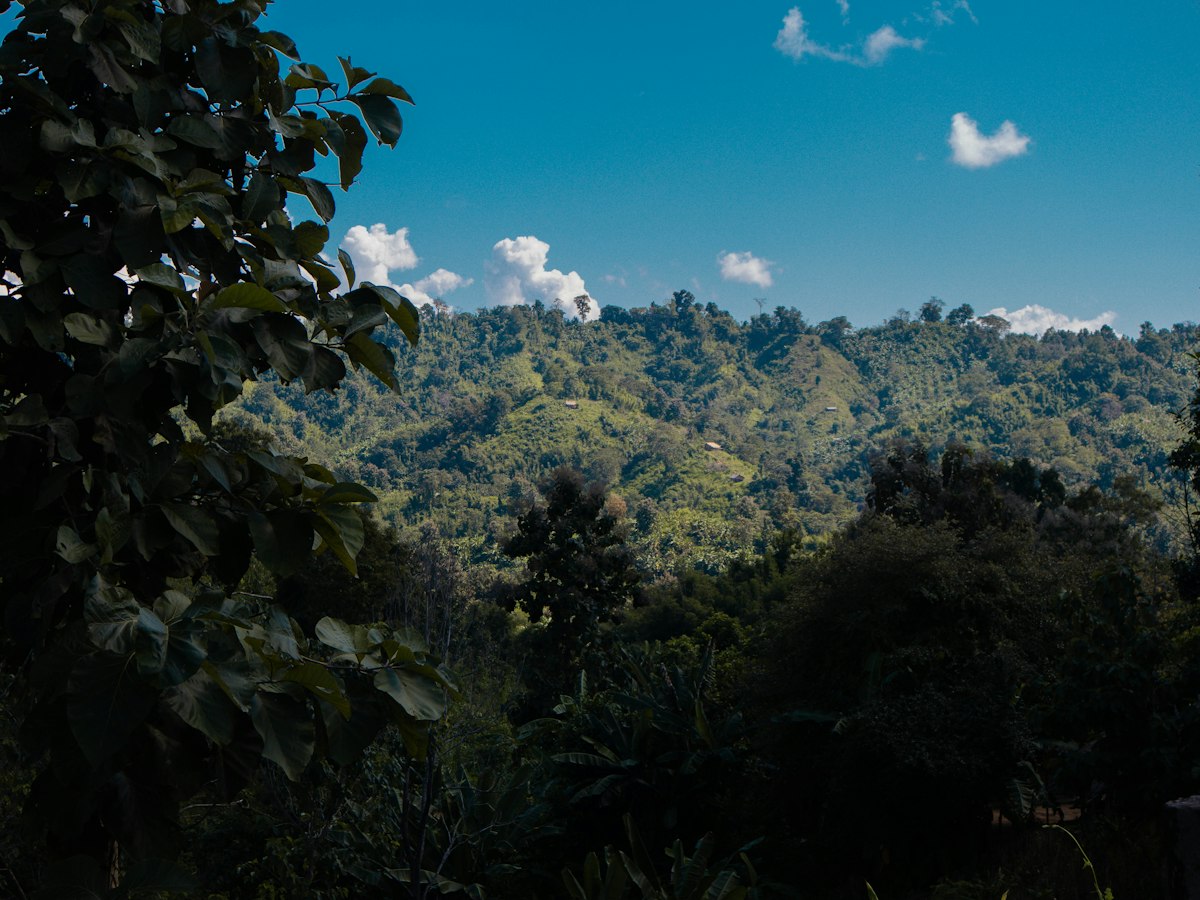
A green valley town on the Chengi river, ringed by hills: Alutila cave, Risang waterfall, Tripura, Chakma and Marma villages, and the gateway to Sajek Valley.
Local food to try
Where to eat
Where to stay
Culture
Khagrachhari’s hill peoples keep their own languages, dress and festivals.
- Boisabi: the word itself is made from the first syllables of the three festivals celebrated here in mid-April — Boisuk (Tripura), Sangrai (Marma) and Biju (Chakma). Flowers are floated on the Chengi at dawn, homes are open to guests, the Tripura perform the Goria dance, and the Marma water festival fills the streets.
- Buddhist kyang: Chakma and Marma villages have their own monasteries, and Kathin Chibar Dan in October–November is a major event.
- Weaving: Tripura women weave the rignai and risa, Chakma women the pinon and hadi, on backstrap looms; handwoven cloth is sold in town.
History
Khagrachhari is the northernmost of the three hill districts, a valley along the Chengi river with rows of hills rising on every side. The town itself sits on low ground, with paddy fields and orchards running out to the slopes.
The district is home to the Tripura, Chakma and Marma peoples, along with Bangali settlers. The Tripura are especially numerous here, and the Mong Raja, head of the Mong Circle — one of the three traditional circles of the Hill Tracts — has his seat in Manikchhari upazila.
For most travellers, Khagrachhari is the gateway to Sajek Valley, but it deserves time of its own: the dark tunnel of Alutila cave, the rock slide of Risang waterfall, the views from the hills around town, and the colour of Boisabi in April.
Plan your visit
Best time to visit
October to March for cool, dry days; the waterfalls are fullest from June to September. Mid-April for the Boisabi festivals.
How to get there
- From Dhaka: direct buses run to Khagrachhari town, about 7–8 hours, mostly overnight, via Feni and Ramgarh.
- From Chattogram: buses leave from the Oxygen area, about 3–4 hours.
- Carry your national ID card or passport for checkpoints on the hill roads.
- For Sajek Valley, hire a jeep in Khagrachhari town.
Getting around
- Chander gari (open-backed jeeps) are hired in town for Sajek and for a day around Alutila and Risang.
- CNG auto-rickshaws for the town and nearby spots.
- Local buses run along the main roads to Matiranga, Dighinala and other upazila towns.
- There are no regular boat routes; this is road and foot country.