
Kishoreganj, Dhaka
Kishoreganj
The gateway to the great haors of the north-east, with the wide waters of Nikli and Austagram, the Sholakia Eid ground and the temple of the poet Chandrabati.
Local food to try
Where to eat
Where to stay
Culture
Kishoreganj is part of the old Mymensingh region, the land of the Mymensingh Gitika, the ballads of love and loss that include Chandrabati’s own story.
- Sholakia Eidgah hosts a vast Eid congregation at both Eids.
- Haor life has its own music: bhatiali boat songs and baul and ghatu traditions.
- In winter the haors fill with migratory birds and with fishing as the water draws back.
History
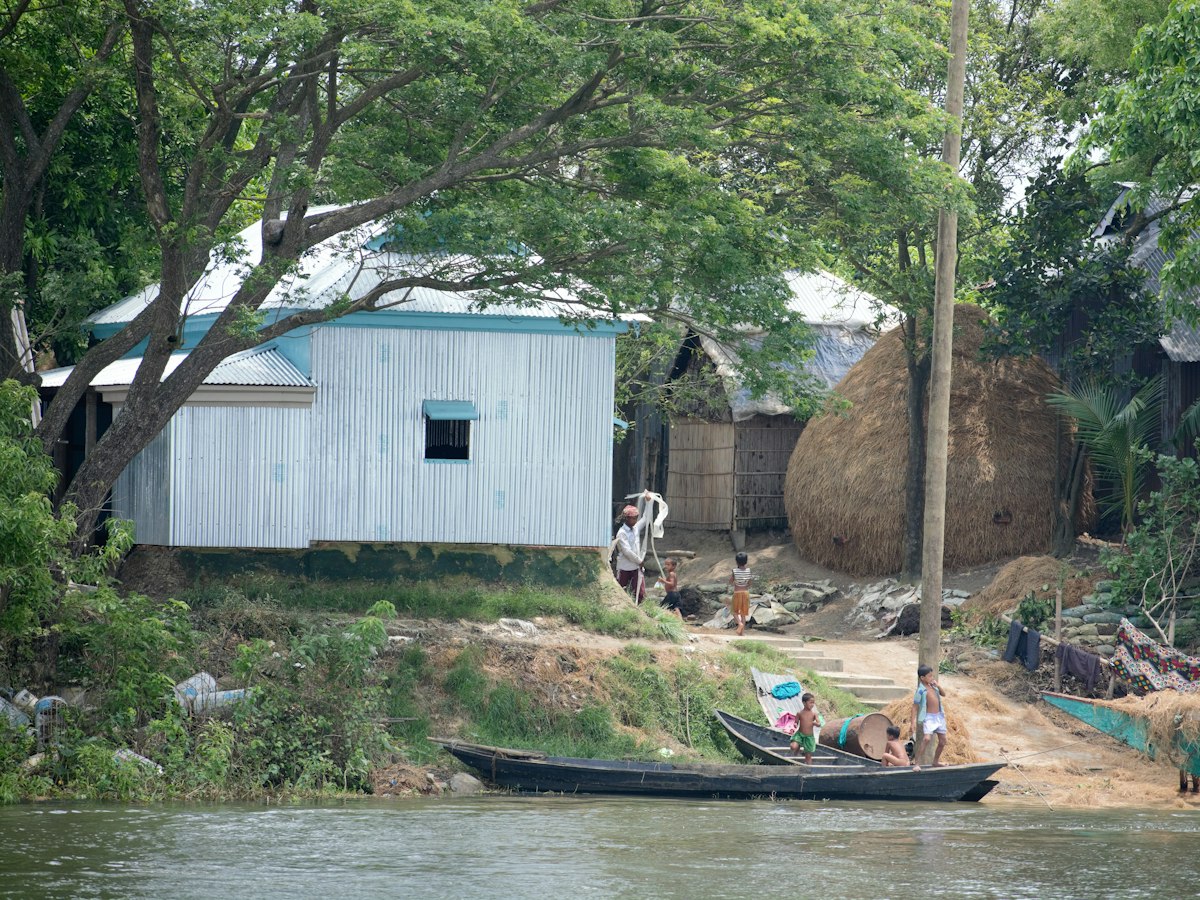
Kishoreganj lies on the plains of the Old Brahmaputra and the Meghna, and its eastern half is haor country: low basins that become inland seas in the monsoon and turn to rice fields in winter. Life here follows the water, and boats are as important as roads.
The district has a long past. Isa Khan, the leader of the Baro-Bhuiyans, held forts in this region, and the name Egarosindhur, a village with Mughal-era mosques, is linked to his story. In the sixteenth century Chandrabati, often called the first woman poet of Bangla, lived at Patuari on the Phuleshwari river.
Kishoreganj is also the ancestral home of the Ray family of Masua in Katiadi, from which came Upendrakishore Ray Chowdhury and his grandson, the film-maker Satyajit Ray. Today the town is best known for Sholakia, where one of the largest Eid congregations in the country gathers twice a year.
Plan your visit
Best time to visit
July to October for the haors in full water; November to February for dry roads, winter birds and town sights.
How to get there
- By bus from Dhaka: buses to Kishoreganj run from Mohakhali and from Sayedabad/Golapbag, about 3–4 hours depending on traffic.
- By train: intercity trains run from Dhaka (Kamalapur and Biman Bandar stations) to Kishoreganj, a comfortable way to travel; check current schedules.
- From Mymensingh: buses and local trains, about 2–2.5 hours.
- From Sylhet and Chattogram: come via Bhairab, the district’s rail junction on the Meghna, and change to a bus or train for Kishoreganj town.
Getting around
- Rickshaws and battery auto-rickshaws in Kishoreganj town; Sholakia is within the town.
- CNG auto-rickshaws and local buses to Nikli, Karimganj, Katiadi and Pakundia.
- In the haors, engine boats are the main transport in the monsoon; hire from the ghats at Nikli or Chamraghat and agree the route first.
- In the dry season, the Itna–Mithamoin–Austagram road can be travelled by motorbike or CNG.