
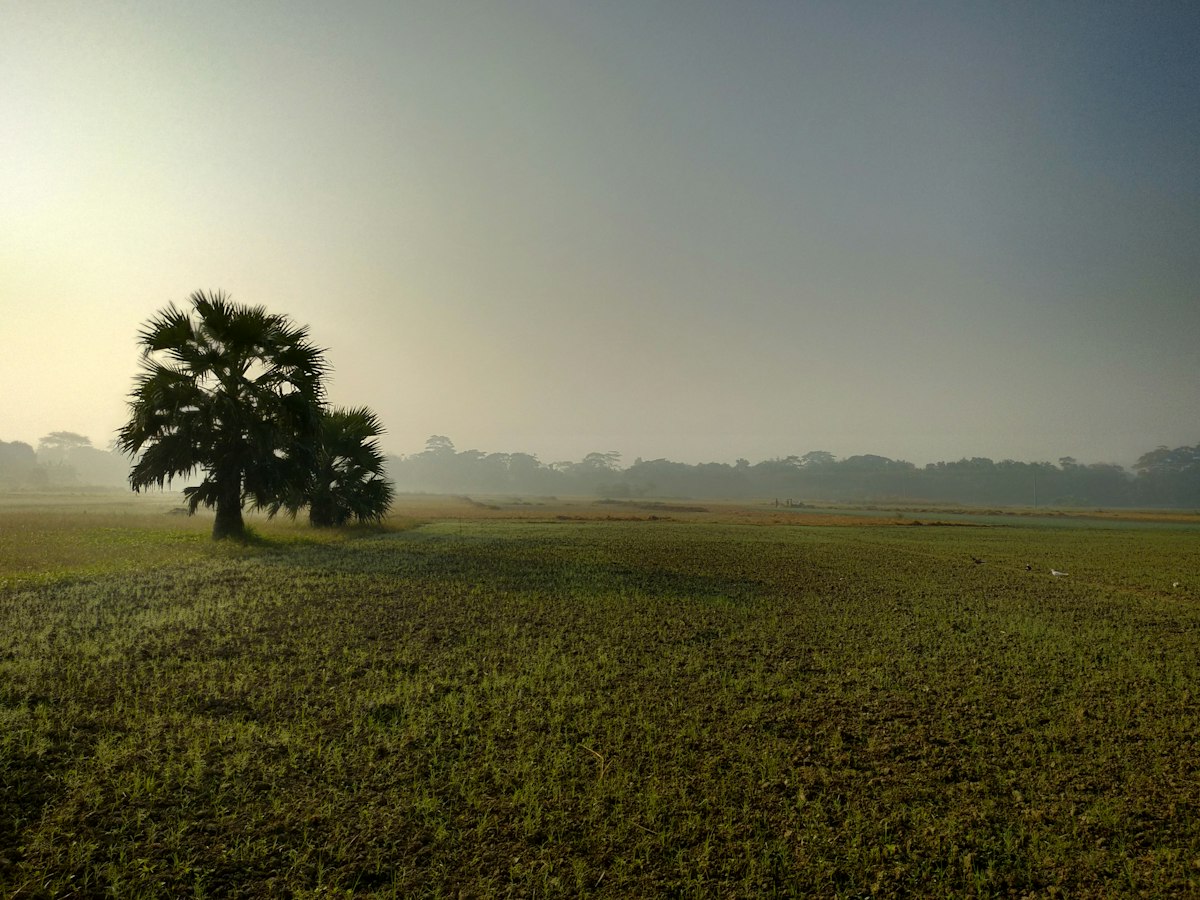
Madaripur, Dhaka
Madaripur
A river district on the Arial Khan, now just across the Padma Bridge from Dhaka, known for Shakuni Lake in its town, the monkeys of Charmugria and its winter date-palm molasses.
Local food to try
Where to eat
Where to stay
Culture
Madaripur’s life is shaped by its rivers and its fields.
- Date-palm molasses: in winter the gachhis (tappers) climb the date palms at dusk and collect the juice at dawn, boiling it down into khejur gur, for which Madaripur is well known.
- History: the memory of Haji Shariatullah and the Faraizi movement is part of the district’s identity.
- Festivals: Eid, Durga Puja and Pohela Boishakh, with village fairs and boat races on the rivers in some years.
History
Madaripur lies on the Arial Khan river, in the low country south of the Padma. The town’s name is traditionally linked to the Sufi saint Shah Madar; the river ports of the district, Charmugria among them, made it a trading centre in the age of boats.
The district has a place in the history of nineteenth-century Bengal: Haji Shariatullah, founder of the Faraizi movement, was born at Shamail in present-day Shibchar, and his son Dudu Miyan led the movement among the peasants of the region.
Madaripur was a subdivision of greater Faridpur and became a district in 1984. Since the opening of the Padma Bridge, Shibchar at its northern edge has become one of the first stops south of the river.
Plan your visit
Best time to visit
November to February, for cool weather and fresh date-palm molasses
How to get there
- By bus from Dhaka: across the Padma Bridge via the expressway, roughly 2–3 hours to Madaripur town, depending on traffic.
- From nearby cities: Faridpur, Gopalganj, Shariatpur and Barishal are all within a few hours by road.
Getting around
- In Madaripur town, rickshaws and battery auto-rickshaws are easiest.
- For Charmugria, Shibchar, Rajoir and Kalkini, take local buses or hire a CNG.
- Small boats cross the rivers at many ghats.