
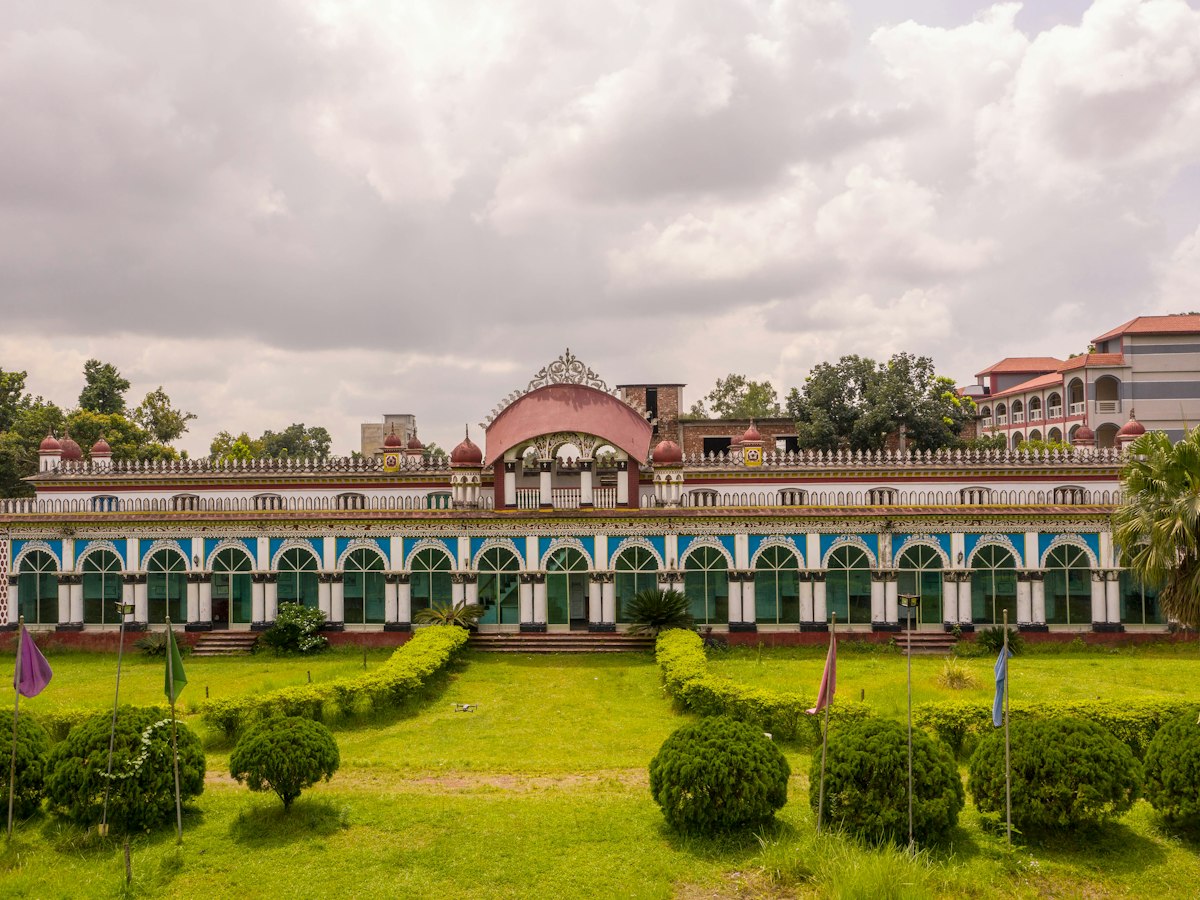
Manikganj, Dhaka
Manikganj
A green river district just west of Dhaka, where the Padma and the Jamuna meet, known for its old zamindar palaces, Hazari gur and the ferry ghats of Paturia and Aricha.
Local food to try
Where to eat
Where to stay
Culture
Manikganj is rich in folk music: baul songs and bichar gaan, the sung debates between two singers, are still performed at village fairs and night-long gatherings in winter.
- Hazari gur, a fine date-palm jaggery from Jhitka in Harirampur, is the district’s best-known product.
- Many villages keep their Hindu temples and zamindar houses, and Durga Puja is celebrated widely.
- The Language Martyr Rafiq is remembered in his home village of Paril, Singair, with a memorial and library.
History
Manikganj lies between Dhaka and the great rivers. The Dhaka–Aricha highway runs through it to the ferry ghats at Paturia and Aricha, so for generations travellers bound for the south-west have passed this way, and the district’s market towns grew up along the rivers and the road.
In the eighteenth and nineteenth centuries wealthy merchant and zamindar families built grand houses here. The palace complex at Baliati and the zamindar house at Teota are the best known of them, and many smaller, crumbling mansions still stand in the villages.
Manikganj is also the home district of Rafiquddin Ahmed, one of the martyrs of the 1952 Language Movement, who was born in Paril village in Singair. Today it is a farming district of jute, rice and vegetables, close enough to Dhaka for an easy day trip.
Plan your visit
Best time to visit
November to February, when the roads are dry and the weather is mild; winter is also the season for Hazari gur.
How to get there
- By bus from Dhaka: buses for Manikganj, Paturia and Aricha leave from Gabtoli and run along the Dhaka–Aricha highway; Manikganj town is about 1.5–2 hours away, depending on traffic at Savar.
- From the south-west: buses from Khulna, Jashore, Kushtia and Rajbari cross the Padma by ferry from Daulatdia to Paturia and then pass through the district on the way to Dhaka.
- There is no railway in Manikganj.
Getting around
- Rickshaws and battery auto-rickshaws inside Manikganj town.
- Local buses and CNG auto-rickshaws along the highway to Saturia, Shivalaya, Paturia and Aricha.
- For Baliati and Teota on the same day, hiring a CNG or a car is easiest.