
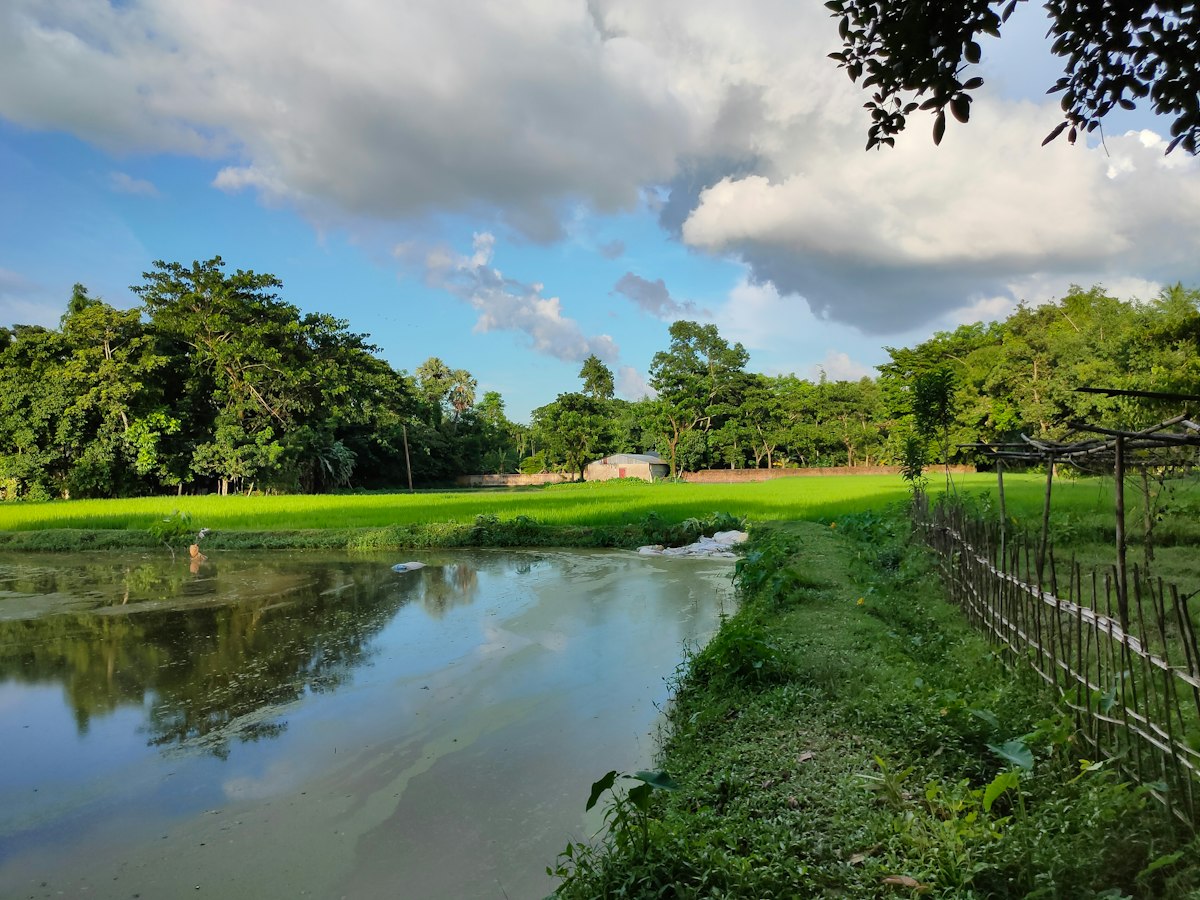
Moulvibazar, Sylhet
Moulvibazar
Bangladesh’s tea country: rolling gardens around Sreemangal and Kamalganj, the rainforest of Lawachara, the great wetland of Hakaluki and Manipuri and Khasi villages among the hills.
Local food to try
Where to eat
Where to stay
Culture
Moulvibazar is one of the most diverse districts in Bangladesh.
- Tea communities: the garden workers’ villages keep their own languages, songs and festivals; Phagua (Holi) and Karam puja are celebrated in many gardens.
- Manipuri villages around Kamalganj are known for Manipuri dance and handwoven cloth. The Rash Leela at Madhabpur, on the full moon of Kartik (usually November), draws visitors from across the country.
- Khasi villages (punji) in the hills grow betel leaf on the forest trees; visit only with a guide or with permission.
- Haor life around Hakaluki follows the water: fishing and boats in the wet months, boro rice in the dry ones.
- Bir Shreshtha Hamidur Rahman fell in 1971 at Dhalai on the Kamalganj border, where a memorial stands today.
History
Moulvibazar lies in the south of Sylhet division, between the Indian state of Tripura and the low hills that run up from Habiganj. The town grew around a market on the bank of the Manu river, and the district takes its name from that bazaar, set up in the nineteenth century by Moulvi Syed Qudratullah.
The district’s character comes from tea. British planters cleared the hills for gardens from the nineteenth century onwards, and today Moulvibazar has more tea estates than any other district in the country. Many of the workers’ families were brought from other parts of India generations ago, and their villages, languages and festivals are still part of life in the gardens.
Between the gardens are patches of old forest — Lawachara, Rajkandi, Adampur — and wide wetlands: Hail Haor near Sreemangal and Hakaluki in the north, the largest haor in Bangladesh. Manipuri, Khasi, Garo and Tripura communities live in the hills and along the forest edges.
Most visitors base themselves in Sreemangal rather than the district town, but Moulvibazar town on the Manu is a quiet, green place and a good stop on the way north to Hakaluki or Barlekha.
Plan your visit
Best time to visit
November to February for dry trails and haor birds; June to September for green gardens, full waterfalls and lilies
How to get there
- By bus from Dhaka: about 4–5 hours to Moulvibazar town or Sreemangal, with day and night departures.
- By train from Dhaka: Dhaka–Sylhet trains stop at Sreemangal, Shamshernagar and Kulaura. Moulvibazar town itself has no railway station; it is a short bus or CNG ride from Sreemangal.
- From Sylhet: about 1.5–2 hours by bus to Moulvibazar town, a little more to Sreemangal; trains also run from Sylhet to Kulaura and Sreemangal.
Getting around
- CNGs, auto-rickshaws and rickshaws in Moulvibazar town and Sreemangal.
- For Lawachara, Madhabpur Lake and the tea gardens, hire a CNG or car for the day from Sreemangal; the roads are good and the spots are close together.
- Jeeps and motorbikes are common on the rougher roads towards Hamham and the border.
- Boats on Hakaluki Haor and Baikka Beel: in the wet season boats go out from the haor-side villages; agree the fare and the time before you set off.
- Local buses link Moulvibazar town with Sreemangal, Kulaura, Juri and Barlekha.