
Munshiganj, Dhaka
Munshiganj
Old Bikrampur, the land of the Sena kings and of Atish Dipankar, between the Padma, the Meghna and the Dhaleshwari — with a Mughal fort, a 15th-century mosque and the hilsa of Mawa.
Local food to try
Where to eat
Where to stay
Culture
Bikrampur’s pride is its long memory of scholarship and its river life.
- Atish Dipankar is honoured at his birthplace, Bajrayogini, where a memorial stands.
- Potato country: in winter the fields are green with potatoes, and the cold stores along the roads hold the harvest.
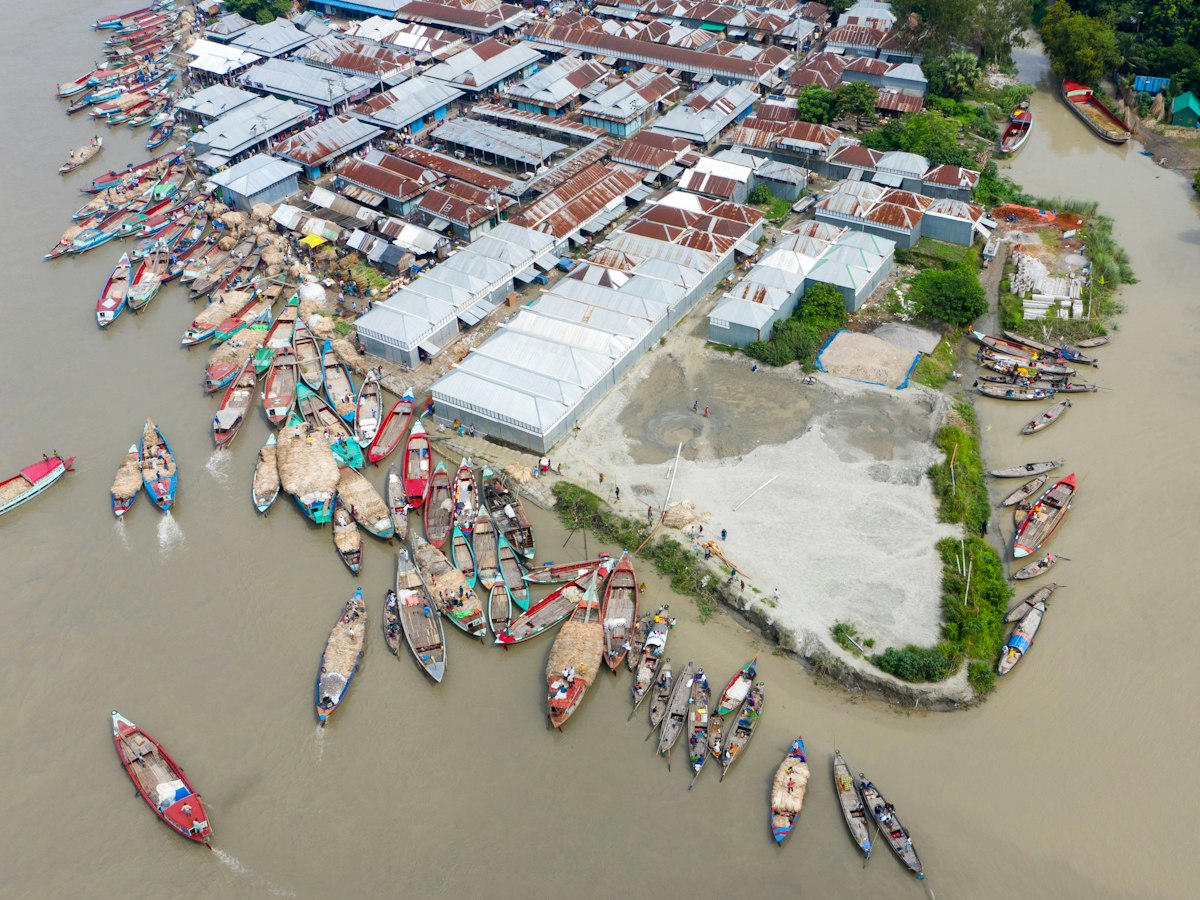
- Hilsa: the Padma at Mawa is famous for fresh hilsa, fried on the spot in riverside restaurants.
- Bhagyakul, in Sreenagar, is remembered for its old zamindar houses and its sweets.
History
Munshiganj is the heart of historic Bikrampur, one of the great centres of early Bengal. The Chandra and Varman dynasties and then the Sena kings ruled from here, and Rampal is traditionally held to be the site of Ballal Sen’s capital.
The Buddhist scholar Atish Dipankar Srijnan was born at Bajrayogini in the 10th century; he went on to teach at Vikramashila and spent his last years reviving Buddhism in Tibet. Excavations in Bikrampur in recent years have uncovered remains of Buddhist monasteries from this era.
Under the sultans and the Mughals the area kept its importance: Baba Adam’s Mosque dates from 1483, and the Mughal Idrakpur Fort guarded the rivers. In the colonial era Bikrampur was famous for its learned families, and many well-known Bengalis trace their roots here, among them the scientist Jagadish Chandra Bose, whose ancestral home is at Rarikhal.
Today Munshiganj is a quiet river district best known for potatoes and, since the Padma Bridge opened in 2022, as the northern gateway at Mawa.
Plan your visit
Best time to visit
November to February; August to October for hilsa season at Mawa
How to get there
- To Munshiganj town: buses from Dhaka’s Gulistan and Jatrabari cross the Dhaleshwari bridge at Muktarpur, about 1–1.5 hours depending on traffic.
- To Mawa and Sreenagar: buses take the Dhaka–Mawa expressway from Jatrabari, about an hour. Buses from Dhaka to the south-western districts also pass this way.
- By launch: launches and water buses run from Sadarghat in Dhaka down the Buriganga and Dhaleshwari to Munshiganj — a pleasant river trip; check current services locally.
Getting around
- Rickshaws and battery autos in Munshiganj town, which reach Idrakpur Fort and Mirkadim.
- CNG auto-rickshaws for Rampal, Baba Adam’s Mosque and the Bikrampur villages.
- Munshiganj town and Mawa are on different roads from Dhaka; to see both in one day, a hired car is easiest.