
Rangamati, Chattogram
Rangamati
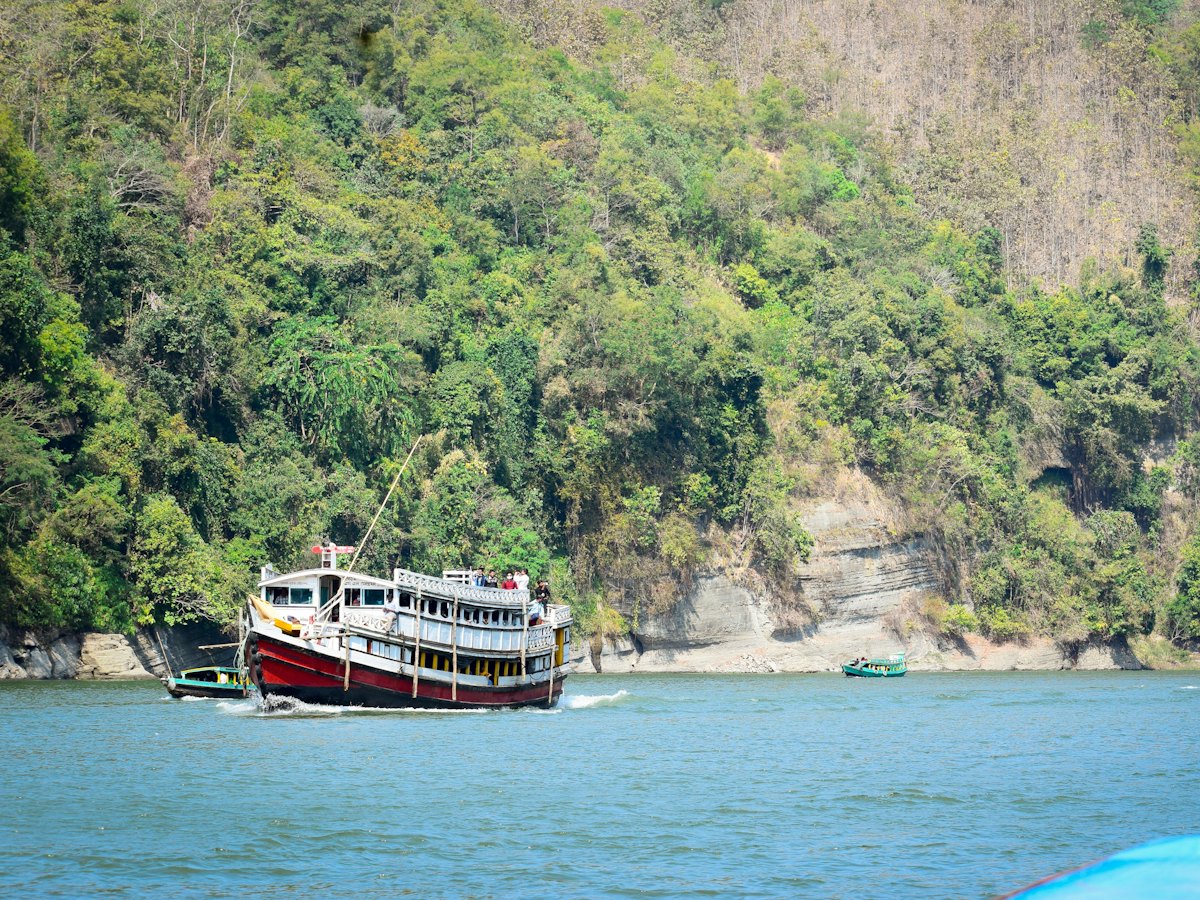
The lake district of the Chittagong Hill Tracts: green hills standing in the blue water of Kaptai Lake, Buddhist monasteries, Chakma and Marma villages, and the road up to Sajek Valley.
Local food to try
Where to eat
Where to stay
Culture
Rangamati is the centre of Chakma life, and many other hill peoples live here too. Most are Theravada Buddhists, and every village has its kyang (monastery).
- Boisabi: around the Bangla New Year in mid-April, the hill peoples celebrate together — Biju (Chakma), Sangrai (Marma), Boisuk (Tripura) and Bishu (Tanchangya). Flowers are floated on the water at dawn, homes are open to guests, and the Marma water festival fills the streets.
- Kathin Chibar Dan: after the rainy-season retreat, in October–November, Buddhists offer robes to the monks. At Rajban Vihara the robe is spun, dyed, woven and sewn within a single day and night.
- Weaving: Chakma women weave the pinon and hadi on backstrap looms, in bold colours and patterns. Handwoven cloth is sold in town shops and markets.
History
Rangamati is the country’s largest district by area, and almost all of it is hills, forest and water. For centuries it has been home to the Chakma, Marma, Tripura, Tanchangya, Pangkhua, Lushai and other hill peoples, who farmed the slopes by jhum (shifting cultivation) and lived by the rivers. The town of Rangamati is the seat of the Chakma Raja, head of the Chakma Circle, one of the three traditional circles of the Hill Tracts.
The district’s shape changed in the early 1960s, when the Kaptai dam was built across the Karnaphuli river for hydroelectric power. The water rose to form Kaptai Lake and drowned valleys, farmland, villages and the old palace of the Chakma Raja. Tens of thousands of people, most of them Chakma, lost their homes and land — a loss still remembered in the hills today.
The lake also made the Rangamati that visitors know: a town spread over hills and islands, where boats are as common as roads. Kaptai Lake, with its famous hanging bridge, is the heart of any visit; beyond it lie waterfalls, island villages, Buddhist monasteries and, in the far north of the district, Sajek Valley on the edge of Mizoram.
Plan your visit
Best time to visit
October to March for clear, cool days on the lake. The waterfalls are fullest in the monsoon, June to September, but hill roads can be slippery.
How to get there
- From Dhaka: direct buses run to Rangamati town, about 7–9 hours, mostly overnight, via Chattogram.
- From Chattogram: buses leave from the Oxygen and Bahaddarhat areas, about 2.5–3 hours through the hills.
- For Sajek Valley: go to Khagrachhari town by bus first (7–8 hours from Dhaka), then by jeep to Sajek.
- The road enters the Hill Tracts through checkpoints; carry your national ID card or passport.
Getting around
- Boats are the main way to see the district: hire an engine boat at the tourist ghats or Reserve Bazar for the lake, Shuvolong or the island villages. Agree the route and time first.
- CNG auto-rickshaws run around town and to nearby spots.
- Chander gari (open-backed jeeps) are hired for hill roads and for Sajek from Khagrachhari.
- Local buses and launches go to upazila towns such as Kaptai, Barkal and Langadu.