
Shariatpur, Dhaka
Shariatpur
A district between the Padma and the Meghna, named after Haji Shariatullah, where the Padma Bridge comes ashore at Jajira.
Local food to try
Where to eat
Where to stay
Culture
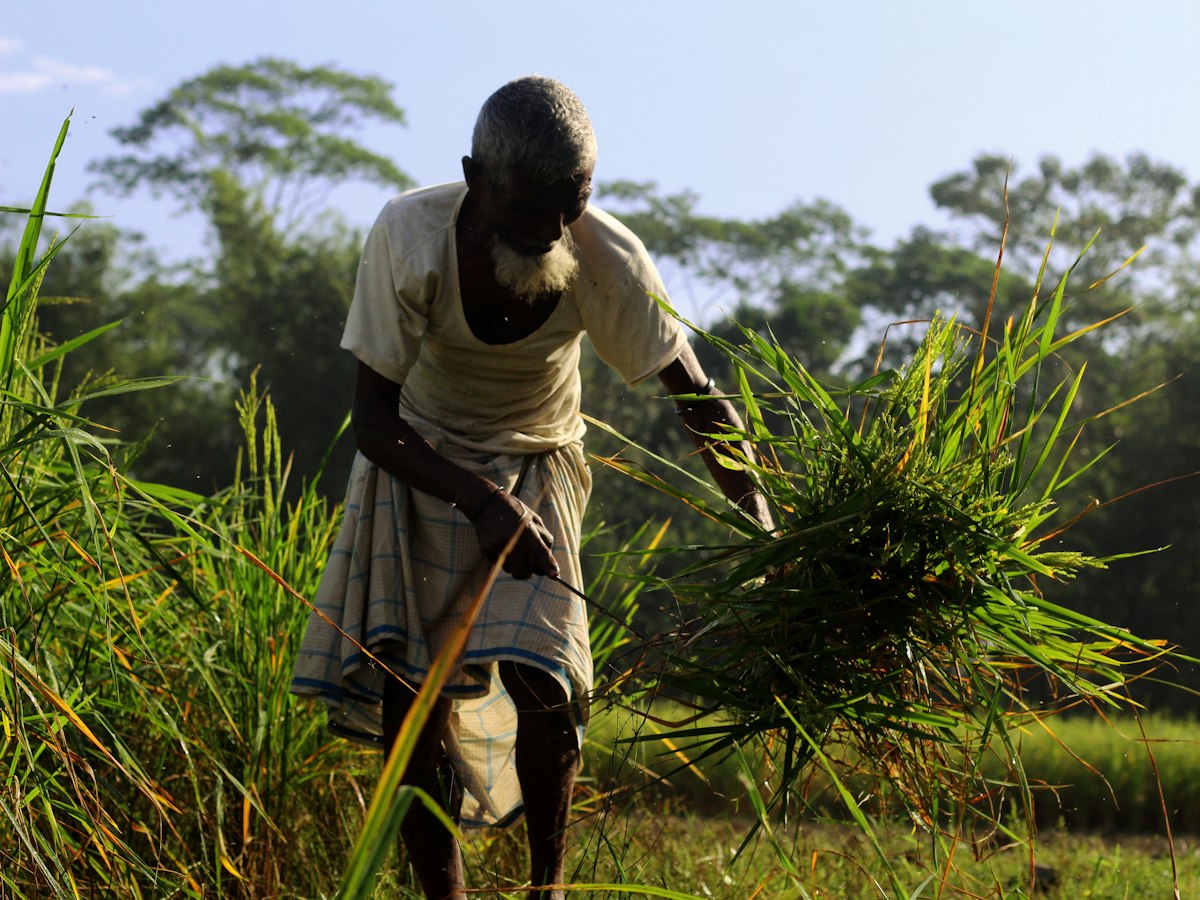
Life in Shariatpur turns on the Padma: fishing for hilsa, farming the chars, and living with the river’s erosion, which has moved whole villages.
- Heritage: the memory of Haji Shariatullah gives the district its name, and old zamindar-era buildings and temples survive in places.
- Festivals: Eid, Durga Puja and Pohela Boishakh, with village fairs; folk songs of the boatmen and the river are still sung.
History
Shariatpur is river country, bounded by the Padma to the north and east and cut by its channels. One branch, the Kirtinasha — “destroyer of glories” — is said to take its name from swallowing the palaces and temples of Raja Rajballabh, an eighteenth-century notable of Bikrampur. The rivers have taken and given land here for centuries.
The district is named after Haji Shariatullah, the nineteenth-century religious reformer and founder of the Faraizi movement, who was born in this region. The area was long part of greater Faridpur; the subdivision once centred on Palong was renamed Shariatpur, and it became a district in 1984.
The opening of the Padma Bridge in 2022, with its southern end at Jajira, has brought Shariatpur within a short drive of Dhaka.
Plan your visit
Best time to visit
November to February; the monsoon for hilsa season on the Padma
How to get there
- By bus from Dhaka: across the Padma Bridge, leaving the expressway near Jajira for Shariatpur town — roughly 2–3 hours, depending on traffic.
- From nearby cities: Madaripur, Chandpur and Barishal are within a few hours; for Chandpur, ask locally about crossing the Meghna.
Getting around
- In Shariatpur town, use rickshaws and battery auto-rickshaws.
- For Jajira, Naria, Bhedarganj and Gosairhat, take local buses or hire a CNG.
- On the rivers, small boats and trawlers link the chars; go only in fair weather.