
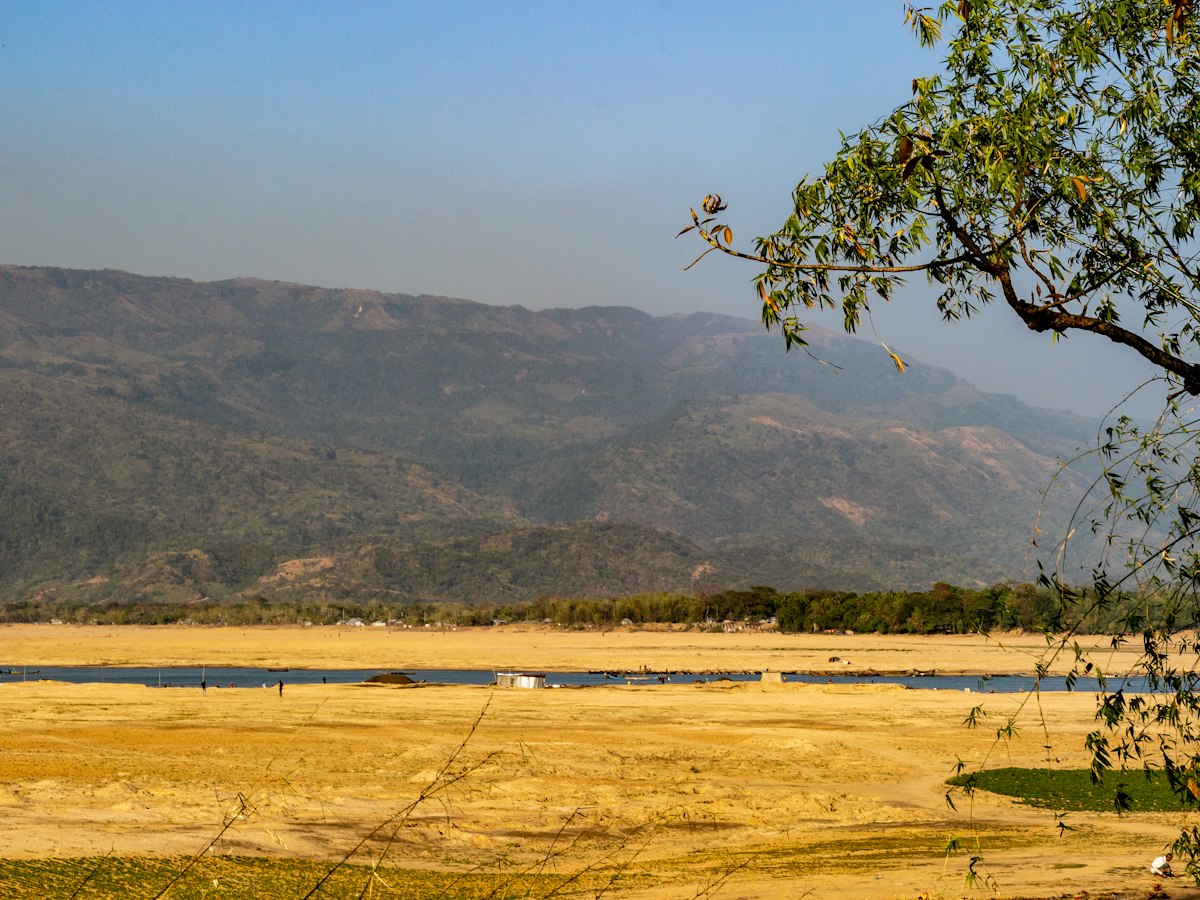
Sunamganj, Sylhet
Sunamganj
The haor country of the north-east: vast seasonal wetlands under the Meghalaya hills, the clear Jadukata river, and the home of the mystic singers Hason Raja and Shah Abdul Karim.
Local food to try
Where to eat
Where to stay
Culture
Sunamganj’s culture is the culture of the haor and its songs.
- Hason Raja (1854–1922), a zamindar who turned to mystic song, wrote of the body, death and love of the divine; his family home in Sunamganj town is now a museum.
- Shah Abdul Karim, the ‘king of Baul’, was born at Ujandhol in Derai. His songs about the haor, the poor and the seeker are known all over Bangladesh.
- Dhamail — songs and circle dances by women at weddings and festivals — is closely linked to Radharaman Dutta of Jagannathpur.
- Haor life: boats, fishing, boro rice and the long wait of the monsoon shape festivals, food and the rhythm of the year. Boat races are held in some places after the rains.
- Along the border live Garo and Hajong communities, especially around Tahirpur and Dharmapasha.
History
Sunamganj lies in the far north-east of Bangladesh, on the Surma river, with the steep hills of Meghalaya rising straight out of the plain along its northern border. Most of the district is haor: low basins that fill with rain and hill water from about May and turn into inland seas for half the year, with villages standing on raised mounds like islands.
Life follows this rhythm. In the dry months the haors are farmed for a single great boro rice crop; in the wet months people fish, travel by boat and wait for the water to fall. Early flash floods from the hills can destroy the harvest, and much of the district’s history is the story of living with water.
Sunamganj is also a land of songs. The zamindar and mystic poet Hason Raja lived here, and Shah Abdul Karim, the ‘king of Baul’, was born in Derai; their songs, along with the dhamail of Radharaman Dutta, are sung across Bengal.
For travellers the district means Tanguar Haor and the border rivers — Niladri Lake at Tekerghat, the Jadukata at Barikkatila and the Shimul garden at Tahirpur — best seen on a boat trip in the rains or a winter visit for birds and blossom.
Plan your visit
Best time to visit
June to October for the haors by boat; December to March for birds, clear rivers and the Shimul garden in bloom (February–March)
How to get there
- By bus from Dhaka: direct buses to Sunamganj take about 6–7 hours, with day and night departures.
- By train: there is no railway in Sunamganj. Take a Dhaka–Sylhet train, then a bus from Sylhet.
- From Sylhet: buses and CNGs to Sunamganj town take about 1.5–2 hours.
- To Tahirpur (for Tanguar Haor, Barikkatila and the Shimul garden): from Sunamganj town by CNG or motorbike, about 1.5–2 hours, or by boat across the haor in the wet season.
Getting around
- Rickshaws and auto-rickshaws in Sunamganj town.
- Motorbikes are the usual hire on the roads towards Tahirpur and the border; agree the fare and the stops before you set off.
- Boats are everything on the haors in the wet season: small engine boats for day trips, and houseboats for overnight trips on Tanguar Haor.
- In the dry season some roads open across the haor beds that are under water in the rains, so routes change with the season; ask locally.
- Always wear a life jacket on the haor, and stay ashore in storms.