
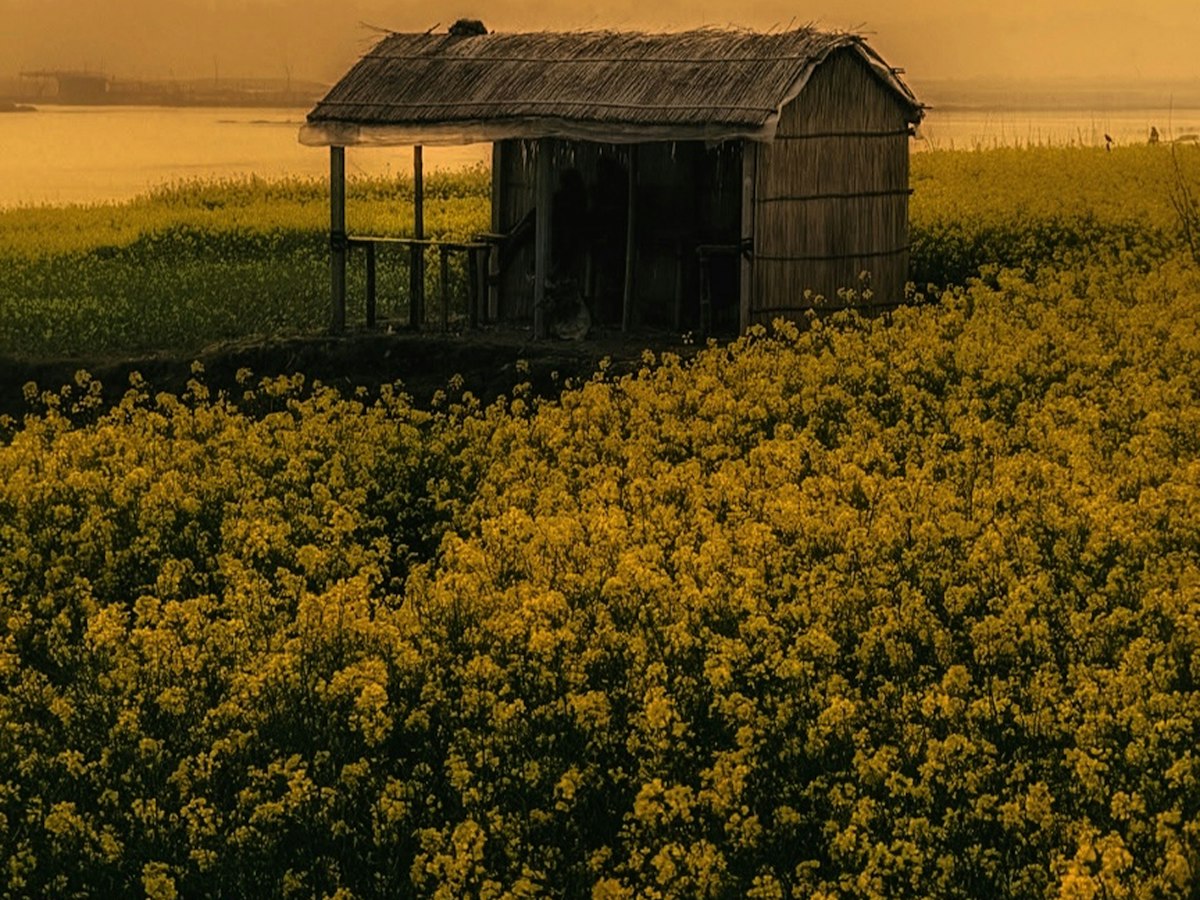
Thakurgaon, Rangpur
Thakurgaon
A quiet farming district on the Tangon river near the Indian border, known for its Surjapuri mangoes, a centuries-old mango tree at Harinmari and the restored Balia Mosque.
Local food to try
Where to eat
Where to stay
Culture
Thakurgaon shares the folk culture of the north: Bhawaiya songs, village fairs after the harvest, and the Rangpuri-style dialect of the region.
- Santal and Oraon villages keep their own festivals, music and dance.
- The Surjapuri mango harvest in early summer is the district’s signature season.
History
Thakurgaon was long a subdivision of Dinajpur and became a district of its own in 1984. Its town grew up on the banks of the Tangon river, and the countryside around is flat, fertile land of rice, wheat, sugarcane and mango orchards, close to the border with West Bengal.
Like its neighbours, Thakurgaon was a stronghold of the Tebhaga movement of the 1940s. The district’s zamindar families left mosques, temples and houses scattered through the villages, and the people include Santal, Oraon and other communities alongside the Bangali majority.
Plan your visit
Best time to visit
October to February for cool, clear days; June–July for Surjapuri mangoes
How to get there
- By bus: Coaches from Dhaka reach Thakurgaon in about 9–10 hours via the Jamuna bridge, mostly overnight.
- By train: Intercity trains to Panchagarh stop at Thakurgaon Road station near the town.
- By air: Saidpur airport is the nearest, about 2 hours away by road.
- From Dinajpur, buses take around 1.5–2 hours.
Getting around
- In town, use rickshaws and battery auto-rickshaws.
- For Baliadangi, Bhulli and the villages, take local buses or hire a CNG or car for the day.
- Panchagarh and Dinajpur are both connected by frequent buses.