Rajshahi

University of Rajshahi

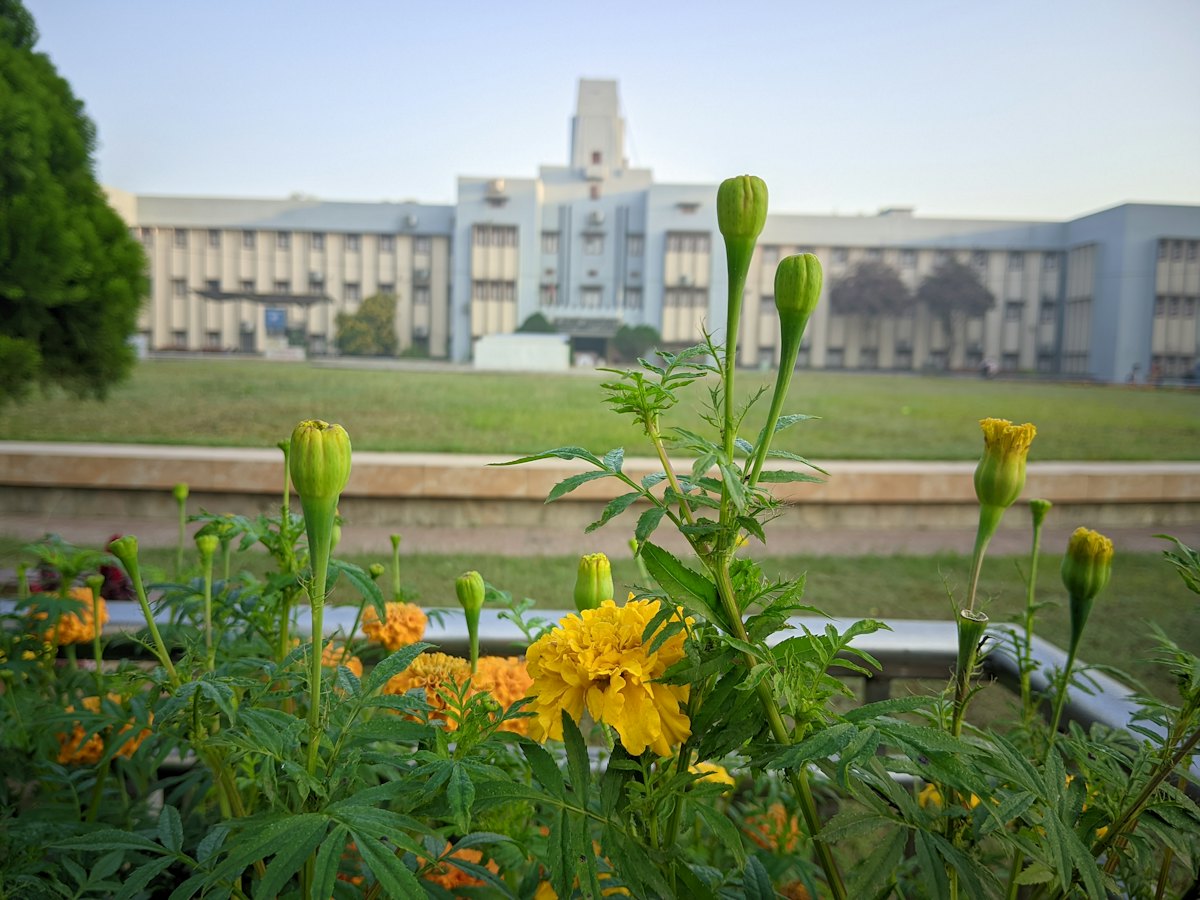
A large, green campus founded in 1953, with tree-lined roads made for an evening walk.

Local food to try

  • Tea and snacks

    University of Rajshahi

    Milk tea, singara and samosa from the stalls students crowd around.

  • Kalai ruti

    University of Rajshahi

    Rajshahi’s black-gram flatbread, good on a winter evening.

Where to eat

  • Campus and gate stalls

    Motihar

    Cheap tea stalls and simple eateries used by students, on campus and around the gates.

    Open in Google Maps (opens in a new tab)
  • Shaheb Bazar

    Rajshahi city

    For a fuller meal, head back to the city centre.

    Open in Google Maps (opens in a new tab)

Where to stay

  • Rajshahi city

    Rajshahi city

    Stay in the city centre; the campus is 15–20 minutes away.

    Open in Google Maps (opens in a new tab)

Culture

Student life sets the rhythm here. Pohela Boishakh, the Bangla New Year, and 21 February, Language Martyrs’ Day, bring processions and cultural programmes to the campus, and 18 February — Zoha Day — honours Dr Shamsuzzoha.

History

The University of Rajshahi, founded in 1953, is one of the oldest and largest universities in Bangladesh. Its campus at Motihar, on the eastern edge of the city, is famous for its size and greenery: long avenues of trees, ponds and wide lawns between the faculty buildings and halls.

The campus carries an important place in the country’s history. On 18 February 1969, during the mass uprising, Dr Syed Mohammad Shamsuzzoha, a chemistry teacher and the university’s proctor, was killed while trying to protect protesting students — remembered as one of the first intellectuals to give his life in the struggle. His grave and memorial are on campus, and 18 February is marked here every year.

During the 1971 Liberation War, part of the campus was used as an army camp, and a memorial now marks a mass grave there. The Shaheed Smriti Sangrahashala, the university’s Liberation War museum, and the sculpture Shabash Bangladesh are among the places most visitors seek out.

Tour plans

An afternoon on campus

Half a day
  1. Step 1: Shaheed Smriti Sangrahashala

    Start at the Liberation War museum, if it is open that day.

  2. Step 2: Zoha’s memorial

    Pay your respects at Dr Shamsuzzoha’s grave and memorial.

  3. Step 3: Shabash Bangladesh

    See the Liberation War sculpture, one of the campus’s landmarks.

  4. Step 4: Evening walk

    Walk the tree-lined avenues as the light fades, then have tea at a student stall.

Plan your visit

Best time to visit

Late afternoon, October to March; the campus is liveliest during term and quieter on holidays

How to get there

At Motihar on the eastern edge of the city: 15–20 minutes by auto-rickshaw from the centre.

Getting around

  • The campus is large; walking the main avenues takes an hour or more.
  • Rickshaws and battery auto-rickshaws run along the main roads and can take you between the memorials, the museum and the gates.

Travel tips

  • This is a working university: keep to public areas and do not enter halls or classrooms uninvited.
  • Check opening days and hours for the Shaheed Smriti Sangrahashala before you go.
  • The campus is large — wear comfortable shoes, or hire a rickshaw to move between sites.
  • Be respectful at the memorials and the mass-grave site.
  • Gates and access can change during exams or unrest; ask locally if unsure.

Discover