
Barishal and the Floating Guava Market: A Monsoon Morning on the Canals
An overnight launch from Sadarghat, dawn on the Kirtankhola, and a small boat into canals crowded with guava boats at Bhimruli and Atghar-Kuriana, then an afternoon by the still water of Durga Sagar.
6 min read
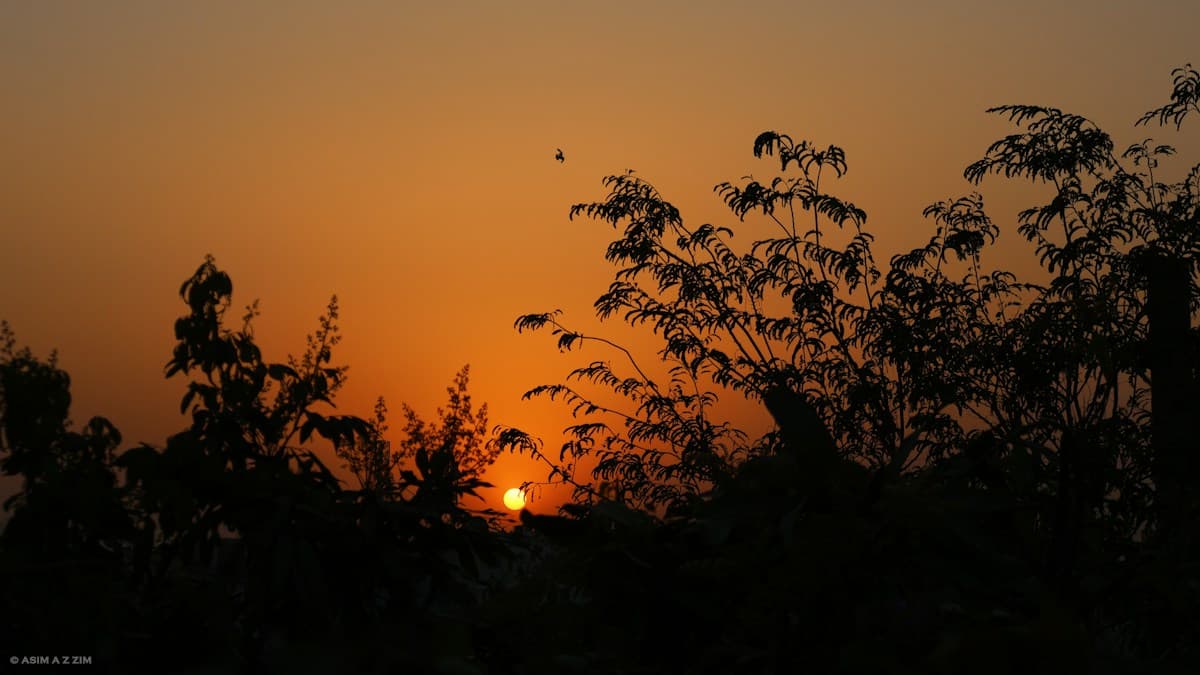
The launch leaves Sadarghat in the evening, and the departure is a show in itself. Multi-deck boats are packed side by side along the Buriganga, their lights coming on one by one, porters running up the gangways with bags and boxes on their heads, horns booming across the water. You climb aboard, find your cabin or a spot on the deck, and watch Dhaka slide away behind you.
For almost every family in southern Bangladesh, this overnight journey is a shared memory: the cabins and the crowded decks, the tea sellers working their way along the rails, the smell of the river at night. You sit outside for as long as you can stay awake. The river grows wider, the lights on the banks grow fewer, and the stars come out over the water.
If you prefer the road, buses now cross the Padma on the Padma Bridge and reach Barishal in roughly four to five hours, at any time of day. But the launch is the classic way, and on this trip you are taking it.
Dawn on the Kirtankhola
You wake to a pale sky and engines throttling down. The launch is nosing into the ghat at Barishal on the Kirtankhola, and the riverside is already busy with boats, rickshaws and people waiting for the passengers. Small boats ferry people across the river. Life here follows the rivers and the tides, and you can feel it from the first minute.
You have tea on the riverside, then find a CNG and head west. It is monsoon, late July, and you are going to the guava country.
Into the canals
The road runs to Jhalokati, a quiet river town that was once one of the busiest ports in eastern Bengal, and from there out towards the village of Bhimruli. On the way you pass the old mansions of Kirtipasha Zamindar Bari, their arched verandas weathered and green with plants, a reminder of the wealth the river trade once brought here.
Then the land changes. Long raised beds, each one planted with guava and amra trees, run in parallel between narrow ditches of water. Canals cut across them. Everything is green and shaded and wet. This is the orchard landscape of this corner of Jhalokati, Pirojpur and Barishal, and it has worked this way for generations.
The market on the water
At Bhimruli, at a meeting of canals, you find it: if the season is right, the water is crowded with small boats, each one heaped with pale green guava. Farmers have rowed in from the surrounding orchards, and they trade from boat to boat with wholesalers, whose bigger boats will carry the fruit on to Barishal, Dhaka and beyond. Voices bounce off the water. Boats knock gently against one another. Someone is bailing out rainwater with a tin can.
The season runs roughly from July to August, sometimes into September, and the market is busiest in the morning, so the earlier you arrive, the more you see. Later in the season, amra joins the guava in the boats.
Hire a small rowing boat and let the boatman take you away from the market into the narrow orchard canals. The water is dark and still, the guava trees lean over from both sides, and the only sound is the dip of the oar. Stop at an orchard if the owner is happy for you to walk the ridges. Buy a few guavas straight from a boat, and eat them the local way, with salt and chilli.
It is the monsoon, so a shower may roll in at any moment. Keep your phone and camera in a dry bag, wear sandals you do not mind soaking, and sit low and still in the small boats.
On to Atghar-Kuriana
If time and tide allow, an engine boat can carry you on through the canals into Pirojpur district, to the neighbouring markets of Atghar-Kuriana near Swarupkathi. The market at Kuriana is among the largest in the guava country, and the canals around it are lined with orchards, coconut palms and village homes. Swarupkathi itself is a timber town, known for its wood market and boat-building.
Further south in Pirojpur, the wetlands of Nazirpur hold another old way of farming on water: the floating gardens, beds of water hyacinth on which farmers grow seedlings and vegetables through the flood season. It is a separate trip, but worth knowing about.
Back to Barishal, and Durga Sagar
In the afternoon you head back east and take the Barishal–Banaripara road out of the city to Durga Sagar. This great old pond at Madhabpasha was, according to local tradition, dug in the late 18th century by a king of Chandradwip and named after his mother, Rani Durgavati. In a delta where the river water runs muddy, ponds like this were built to give people clean water.
Today it is a broad, shaded sheet of water ringed by trees, with a walking path around it and a small wooded island in the middle. After the bustle of the canals, the quiet is almost startling. You walk the full circuit as the light softens. In winter, birds gather on the water; in the monsoon it is simply green and still.
Further along the same road, the grand Guthia Mosque rises among its gardens and ponds, and if you have the energy it makes an easy addition. Start back before dark if you are travelling by CNG.
Evening on the river
That night, back in the city, you walk along the Kirtankhola again. The launches for Dhaka are filling up, lights on, horns sounding. Perhaps you will take one of them home. Perhaps you will take the bus over the bridge and be in Dhaka before midnight. Either way, you will remember the canals: the green water, the green fruit, and the sound of boats bumping softly together in the morning.
Plan this trip
- Best time: July to August, sometimes into September, for the floating guava markets; go early in the morning. October to February brings cooler weather and calm rivers, but no guava market.
- By bus or launch: buses from Dhaka cross the Padma Bridge and reach Barishal in roughly 4–5 hours. Search buses to Barishal. Overnight launches leave Sadarghat in the evening and arrive early next morning; book cabins early before Eid and on holiday weekends.
- Getting there from Barishal: Jhalokati is 30–45 minutes away, and Bhimruli another 30–45 minutes by CNG or auto-rickshaw. Swarupkathi, for Atghar-Kuriana, is about 1–1.5 hours from Barishal by bus.
- Read more: our Barishal, Jhalokati and Pirojpur district guides, and the Oxford Mission Church for an evening walk in the city.
- #Barishal
- #floating market
- #guava
- #Jhalokati
- #launch
- #travel story