
A Night Bus to Cox's Bazar: From Dhaka to the Sea at Dawn
What the overnight bus from Dhaka to Cox's Bazar feels like: the evening counter, the highway rest stop, the hills before sunrise, the first sight of the Bay of Bengal, and a first long day on the sand.
6 min read
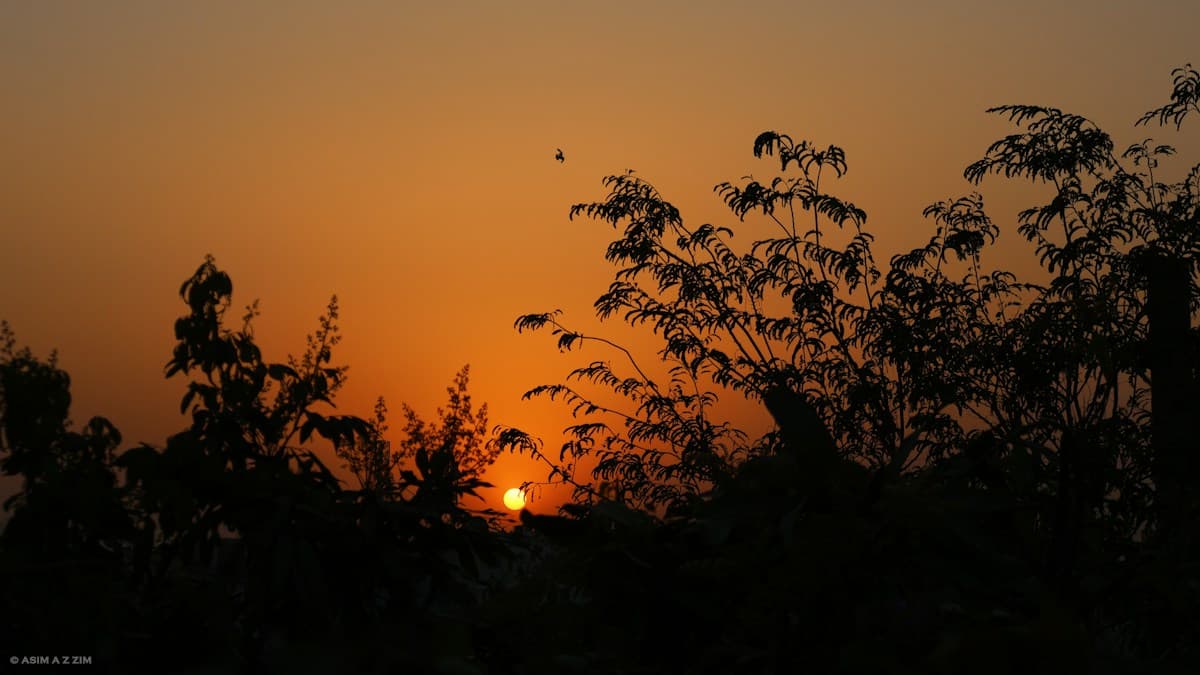
There is a particular kind of excitement that only a night bus can give you. You leave one world in the evening, sleep through the space between, and wake up somewhere completely different. On the road from Dhaka to Cox's Bazar, that somewhere is the longest beach in the country.
The counter at dusk
You reach the counter as the city lights come on. The waiting room is full: families with rolled-up mats and tiffin carriers, groups of friends in matching T-shirts, a couple who have clearly just married, a few solo travellers with small backpacks. Someone is arguing gently about a window seat. A boy sells peanuts and water from a basket. Outside, the coaches stand nose to tail with their engines idling, and every few minutes a supervisor calls out a departure time and a coach number.
You check your ticket one more time, hand over your bag to be loaded underneath, and climb aboard. The seat is wider than you expected. You find the lever, lean back a little, and watch the last passengers settle in.
Leaving the city behind
The first hour is the slowest. The bus edges through Dhaka's evening traffic, past bright shopfronts, flyovers and the sea of rickshaw bells. Then, somewhere beyond the city's edge, the road opens and the engine finds its rhythm. The lights inside dim. A film plays quietly on the screen at the front; half the bus is already asleep.
Out of the window the highway slides past in pieces: the glow of a roadside tea stall, a lorry painted with flowers and slogans, a mosque lit in green, rice fields that you can sense rather than see. The bus overtakes, slows, overtakes again. If you are a light sleeper, a neck pillow and a shawl make all the difference, because the air conditioning can turn the cabin cool by midnight.
The midnight stop
Some hours in, usually somewhere along the Dhaka–Chattogram highway, the bus pulls into a big roadside restaurant for a break. Everyone climbs down, blinking, into a blaze of light. There is the smell of paratha on the griddle and strong milk tea, the clatter of plates, and a queue for the washrooms. You stretch your legs, drink something hot, and listen to the supervisor counting heads before the bus moves off again.
After this, the night deepens. You doze, wake as the bus slows through a sleeping town, doze again. At some point you pass the turn for Chattogram and the road begins to change: fewer straight lines, more curves, the dark shapes of low hills on either side.
First light
You wake properly as the sky turns grey. The bus is running south through green country now, with betel-nut palms, small ponds, and hills covered in trees. Mist lies in the hollows. People are already out: a man pushing a bicycle loaded with vegetables, children walking to a madrasa, smoke rising from a cooking fire.
The journey takes about eight to ten hours, so most night buses reach Cox's Bazar in the early morning. The town arrives slowly at first, then all at once: hotels, signboards, easy-bikes queuing for passengers. The bus stops at its counter on Kolatoli Road, and you step down into air that smells faintly of salt.
The first sight of the sea
You do not need directions. You follow the road and the people walking towards its end, and suddenly the buildings stop and there it is: the Bay of Bengal, grey-blue and wide, waves breaking in long white lines along the sand. On a clear morning the light is soft and silver, and the beach stretches away to the south as far as you can see.
It is worth just standing here for a while. Fishermen are pulling in a net. A photographer is already offering pictures to an early family. Horses wait for riders. The sound of the surf is constant, louder than you expected, and the sand is cool under your feet.
A first day on the beach
Find your hotel, leave your bag, have a shower, and come back. Breakfast can be as simple as paratha, egg and tea at a small eatery near the counters.
By mid-morning the main stretch of Cox's Bazar Sea Beach, between Laboni, Sugandha and Kolatoli points, is busy. If you want to bathe, do it here, between the flags and while the lifeguards are on duty: the currents in the Bay of Bengal can be strong, and you should not swim out of your depth or after dark. Rent a beach chair and umbrella, drink a coconut, and watch the crowd: children building sandcastles, groups of friends running into the waves, couples walking the waterline.
Around midday the sun gets fierce, especially outside winter. This is the time for lunch and a rest. Seafood is the point here: fried fish, prawns, crab, and the dried fish stalls that perfume whole lanes of the town.
Sunset over the water
In the late afternoon the beach comes alive again. Because the beach faces west, the sun goes down over the sea, and on a clear evening the sky turns orange, then pink, then a deep blue. The water catches every colour. Families gather at the waterline to watch, and for a few minutes even the busiest point falls quiet.
After dark, the beach stalls light up with fried snacks and grilled fish, and the market lanes fill with shell jewellery, pickles and dried fish. You walk back to your hotel with sand in your shoes, already planning tomorrow.
The days that follow
With another day or two, take a CNG or jeep down the Marine Drive, the coastal road with the sea on one side and forested hills on the other. Stop at Himchari for the view from the hill and, in the rainy season, the waterfall, then carry on to Inani Beach, where dark rocks line the shore and the water is usually calmer. Other easy trips are the Buddhist monasteries of Ramu and a boat across to Maheshkhali Island.
Plan this trip
- Best time: November to March, when the sea is calmer and the sky clear. In the monsoon (roughly June to September) the sea is rough and bathing is often closed. Weekends and public holidays are very busy.
- By bus: buses from Dhaka take about 8–10 hours, most of them overnight, and stop at counters along Kolatoli Road. Book early for holiday dates. Search Dhaka to Cox's Bazar buses, or search buses from other cities.
- On the beach: bathe only between the flags and when lifeguards are on duty; never swim at night or after drinking.
- Read more: our Cox's Bazar travel guide and the Cox's Bazar district guide.
- #Cox's Bazar
- #night bus
- #travel story
- #beach
- #Dhaka to Cox's Bazar