
Sylhet Travel Guide: Jaflong, Ratargul, Sreemangal, Haors and More
A practical Sylhet travel guide: when to go, how to get there by bus from Dhaka, Jaflong, Ratargul, Bholaganj and Bisnakandi, the shrines in the city, the tea gardens of Sreemangal, Tanguar Haor, local food and where to stay.
4 min read
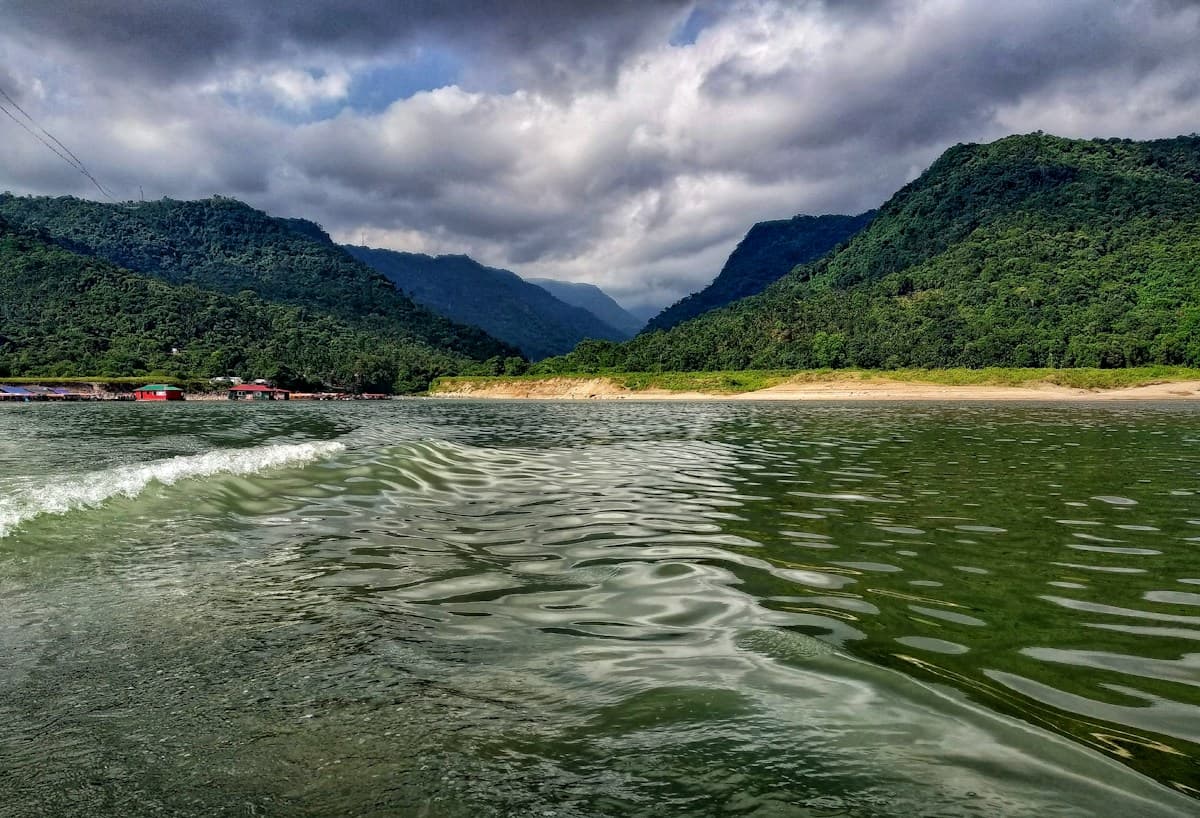
Sylhet is the green north-east of Bangladesh: tea gardens on rolling hills, clear rivers flowing down from the border, a swamp forest you explore by boat and wide haors that turn into inland seas in the rains. This Sylhet travel guide covers the best time to visit, how to get there from Dhaka, the places to visit in and around the city, food and where to stay. For more, see our Sylhet district guide.
Best time to visit Sylhet
Sylhet has two good seasons, for different reasons:
- June to October for waterfalls, rivers, Ratargul and the haor, when the water is high and everything is green. Heavy rain can close roads and boat ghats for a day, so keep some flexibility.
- November to February for dry weather, easy travel and walks in the tea gardens.
How to get to Sylhet from Dhaka
Buses from Dhaka take about 5–7 hours on the Dhaka–Sylhet highway, with day and night departures. A night bus brings you in early enough for a day trip the same morning. Search buses from Dhaka to Sylhet and compare times and bus types.
Trains run from Dhaka to Sylhet and stop at Sreemangal, which is handy if you want to start with the tea gardens. Osmani International Airport has domestic flights.
Places to visit in Sylhet city
- Hazrat Shah Jalal's Shrine: the heart of spiritual Sylhet, at Dargah Gate, a short ride from Zindabazar. Dress modestly and follow the attendants' instructions.
- Keane Bridge: the old steel bridge over the Surma in the city centre. Come at sunset, then stay to see it lit up.
The shrine of Hazrat Shah Paran, on the edge of the city, is the other great place of pilgrimage.
Day trips from Sylhet
The famous spots are spread out, and the last stretch is often by boat. Hire a CNG, car or microbus for the day.
- Jaflong: about 60 km on the Tamabil road, 1.5–2 hours. Stone-filled river, clear water and the hills of the border behind.
- Lalakhal: on the way to Jaflong, at Sarighat, then a boat up the blue-green Sari river. Easy to combine with Jaflong.
- Ratargul Swamp Forest: about an hour to the ghat at Motorghat, then a small boat between flooded trees. Best in the wet season.
- Bholaganj Sada Pathor: about an hour to Bholaganj in Companiganj, then a short boat ride to the white stones.
- Bisnakandi: 1.5–2 hours to Hadarpar in Gowainghat, then a boat to where streams tumble over boulders below the hills.
Sreemangal and Moulvibazar
- Sreemangal tea gardens: about 2–2.5 hours from Sylhet by bus or train. Walk among the tea bushes in the morning and try the famous seven-layer tea.
- Lawachara National Park: about 8 km from Sreemangal town, a rainforest known for its gibbons. Go early and keep quiet.
- Madhabkunda Waterfall: about two hours by road from Sylhet. Do not swim in the pool below the fall.
The haors of Sunamganj
- Tanguar Haor: take a bus to Sunamganj (about 2 hours), then go by road to Tahirpur, where boats and houseboats leave for the haor. Many visitors spend a night on the water in the wet season.
- Niladri Lake: a blue former quarry near Tekerghat, a usual stop on a Tanguar Haor trip.
What to eat in Sylhet
- Satkora beef: beef cooked with satkora, a bitter-sour local citrus whose rind scents the curry. Found almost only in Sylhet.
- Akhni: spiced rice cooked with meat, lighter than biryani.
- Seven-layer tea: tea poured in coloured layers, made famous by Nilkantha Tea Cabin in Sreemangal.
- Chunga pitha: sticky rice cooked in bamboo over a fire, a winter treat.
- Haor fish: freshwater fish as curry or bhorta with rice.
In the city, Zindabazar is the food street, where long-running restaurants such as Panshi serve rice with dozens of bhortas and curries.
Where to stay in Sylhet
- Zindabazar and Amberkhana: city hotels at every price, central for food and day trips.
- Dargah Gate: budget hotels by the shrine.
- Sreemangal: cottages and resorts among the tea gardens, close to Lawachara.
- Tanguar Haor houseboats: one- or two-night trips with meals, mostly in the wet season. Confirm what is included before you pay.
Getting around
- CNGs and rickshaws in the city.
- Hire a vehicle for the day for Jaflong, Ratargul, Bholaganj and Bisnakandi.
- Boats at the ghats: some post fixed rates; otherwise agree the price and time before you set off.
Tips for visiting Sylhet
- The rivers can be dangerous. At Jaflong, Bholaganj and Bisnakandi the water pulls hard; stay in the shallows and keep children close.
- Respect the border. Several spots sit right on it: follow BGB instructions and the marked limits.
- Wear a life jacket on boats and carry a dry bag for your phone.
- After heavy rain, roads and ghats can close; ask locally that morning.
- The tea estates are working land: stay on the paths, do not pick leaves and ask before photographing workers.
- Do not take stones from Bholaganj or litter the haor.
Ready to go? Search buses to Sylhet, and explore more places in our Sylhet guide.
- #Sylhet
- #Jaflong
- #Sreemangal
- #tea gardens
- #travel guide
- #places to visit