
Chittagong Hill Tracts Travel Guide: Rangamati, Bandarban, Khagrachhari and Sajek
How to plan a trip to the Chittagong Hill Tracts: getting to Rangamati, Bandarban, Khagrachhari and Sajek Valley by bus, the checkpoints and visitor rules to check before you go, the best season, and how to travel respectfully among the hill peoples.
5 min read
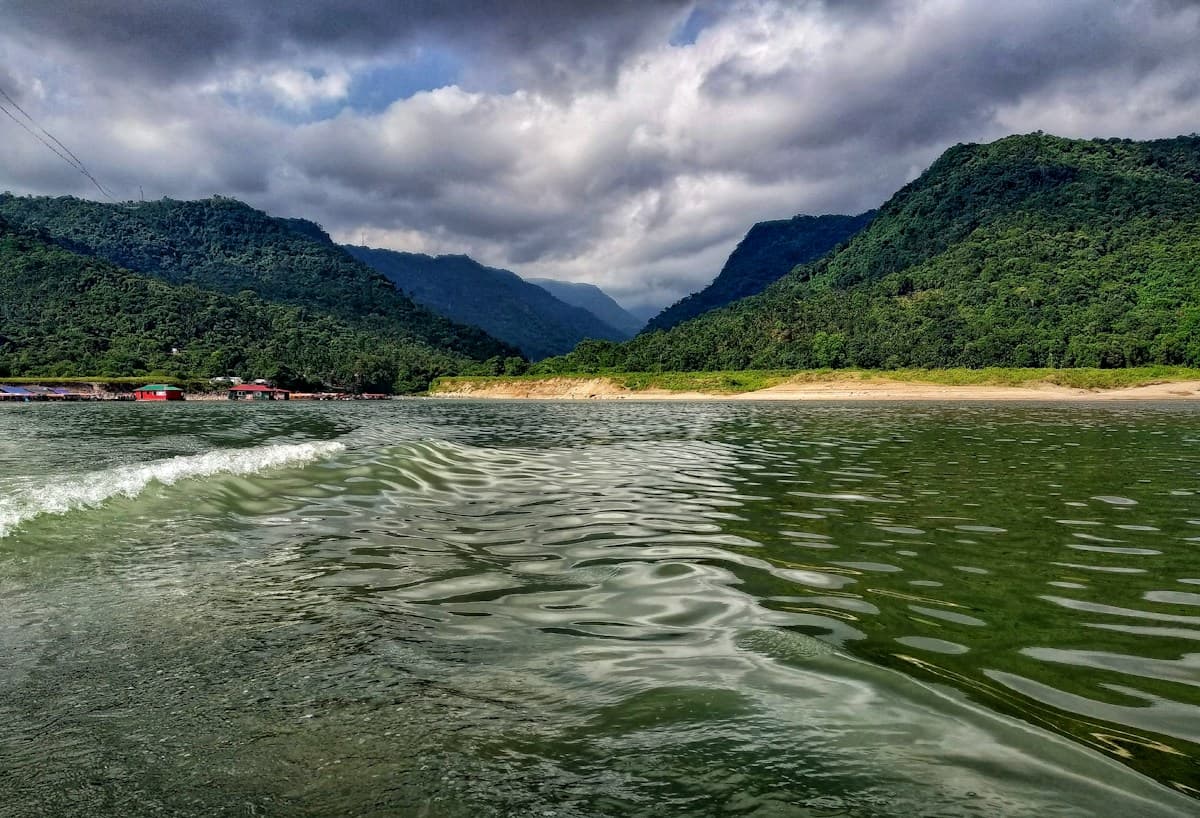
The Chittagong Hill Tracts are the most different landscape in Bangladesh: steep green hills, the blue water of Kaptai Lake, clouds below the ridge at Sajek, and the homes of the Chakma, Marma, Tripura, Bawm, Mro and many other hill peoples. This Chittagong Hill Tracts travel guide covers the three districts, Rangamati, Bandarban and Khagrachhari, along with Sajek Valley, and the practical side: getting there, the rules to check and how to visit well.
The three hill districts at a glance
- Rangamati is the lake district, spread over hills and islands in Kaptai Lake, and the centre of Chakma life
- Bandarban has the country’s highest hills, the Sangu river and the most remote trekking
- Khagrachhari is a valley town on the Chengi river and the gateway to Sajek Valley
Each is worth at least two nights. Trying to see all three in a short trip means many hours on winding roads.
How to get there by bus
All three district towns have direct buses from Dhaka, mostly overnight:
- Dhaka to Rangamati: about 7 to 9 hours, via Chattogram
- Dhaka to Bandarban: about 8 to 10 hours, via Chattogram and Keranihat
- Dhaka to Khagrachhari: about 7 to 8 hours, via Feni and Ramgarh
Another option is to take the Dhaka to Chattogram bus and change. From Chattogram, buses reach Rangamati and Bandarban in about 2.5 to 3 hours and Khagrachhari in about 3 to 4 hours.
Checkpoints and visitor rules: check before you go
This matters more in the hills than anywhere else in the country.
- Carry your national ID card or passport, with a few photocopies. It is checked and recorded at army and police checkpoints on the hill roads.
- Foreign visitors may need extra permission. Check the current rules well before you travel.
- Access changes. Parts of Bandarban, including Ruma and Thanchi, have at times been closed to tourists for security reasons. Check the current situation before you plan, and again before you set off.
- Registered local guides are required for treks such as Boga Lake and Nafakhum. You register with your ID at the upazila town and the camps on the way, as your guide directs.
- Sajek has usually run on escorted groups. Vehicles have gone up in army-escorted groups at set times from the Baghaihat checkpoint. Check the current schedule.
Rules here are set by the authorities and can change at short notice. Treat anything you read online, including this guide, as a starting point, and confirm locally.
Rangamati and Kaptai Lake
Kaptai Lake was created in the early 1960s when the Kaptai dam was built across the Karnaphuli. Its waters drowned valleys, villages and the old palace of the Chakma Raja, and tens of thousands of people lost their homes, a loss still remembered here. Today boats are as common as roads.
- Hire an engine boat for a day to Shuvolong Waterfall, about 1.5 to 2 hours each way, fullest in the monsoon
- Visit Rajban Vihara, the great Buddhist monastery by the lake
- Wear a life jacket on every boat and be back before dark
Sajek Valley
Sajek Valley is in Rangamati district but reached from Khagrachhari town: about 70 kilometres by chander gari (open-backed jeep) via Dighinala and Baghaihat, 2.5 to 3 hours. Jeeps are hired in Khagrachhari, usually for a round trip.
The tourist heart is Ruilui Para, a village along a high ridge, with Konglak Para a little further on for sunrise. On clear mornings the valleys fill with cloud below you. Stay at least one night: the clouds are best at dawn, and a same-day return is tiring. Book ahead for weekends, bring a warm layer from November to February, and carry a power bank and cash, as electricity and signal can be patchy.
Late monsoon to early winter, roughly August to November, is best for clouds; December to February for clear skies.
Khagrachhari
Give Khagrachhari a day of its own. Alutila Cave is a dark tunnel through a hill, walked by the light of a burning torch, with a viewpoint above it. A little further on, Risang Waterfall slides down a long slope of rock; people slide down it, but the rock is hard and slippery, so think twice.
Bandarban
From Bandarban town, a jeep climbs to Nilgiri, a hilltop viewpoint where clouds often drift below you. Near town, the golden Buddha Dhatu Jadi stands on a hilltop. Deeper in the hills lie Boga Lake, a deep, still lake beside a Bawm village, and Nafakhum Waterfall, reached by boat up the Sangu from Thanchi and a walk from Remakri. Both need a guide, two days or more, and current permission. Do not swim at either.
Travelling with respect
The hills are home to people with their own languages, faiths and ways of life. A few habits make a big difference:
- Ask before photographing people, especially in villages and at prayer
- Treat villages as homes, not attractions; do not enter houses or jhum fields uninvited
- At monasteries, dress modestly, take off your shoes where asked and speak quietly
- Keep noise down at night, above all on the ridge at Sajek
- Take your rubbish back with you; waste is hard to remove from the hills
- Buy handwoven cloth and local food from the communities themselves
Try bamboo chicken, bamboo shoot curry and hill fruit in season. In mid-April, the hill peoples celebrate Boisabi (Biju, Sangrai, Boisuk and Bishu), a joyful time to visit if you plan well ahead.
When to go
October to March brings cool, dry days and clear views. The waterfalls are fullest from June to September, but hill roads are slippery and boats riskier.
Book your bus
Start with the Dhaka to Chattogram bus, or search buses to Rangamati, Bandarban and Khagrachhari directly.
- #Chittagong Hill Tracts
- #Sajek
- #Bandarban
- #Rangamati
- #Khagrachhari