
Rajshahi Travel Guide: Padma Riverside, Puthia, Mango Season and Silk
A Rajshahi travel guide for the Silk City: the Padma riverside, Varendra Research Museum, Puthia’s temples and Bagha Mosque, day trips to Natore and Paharpur, mango season, kalai ruti, where to stay and the bus from Dhaka.
4 min read
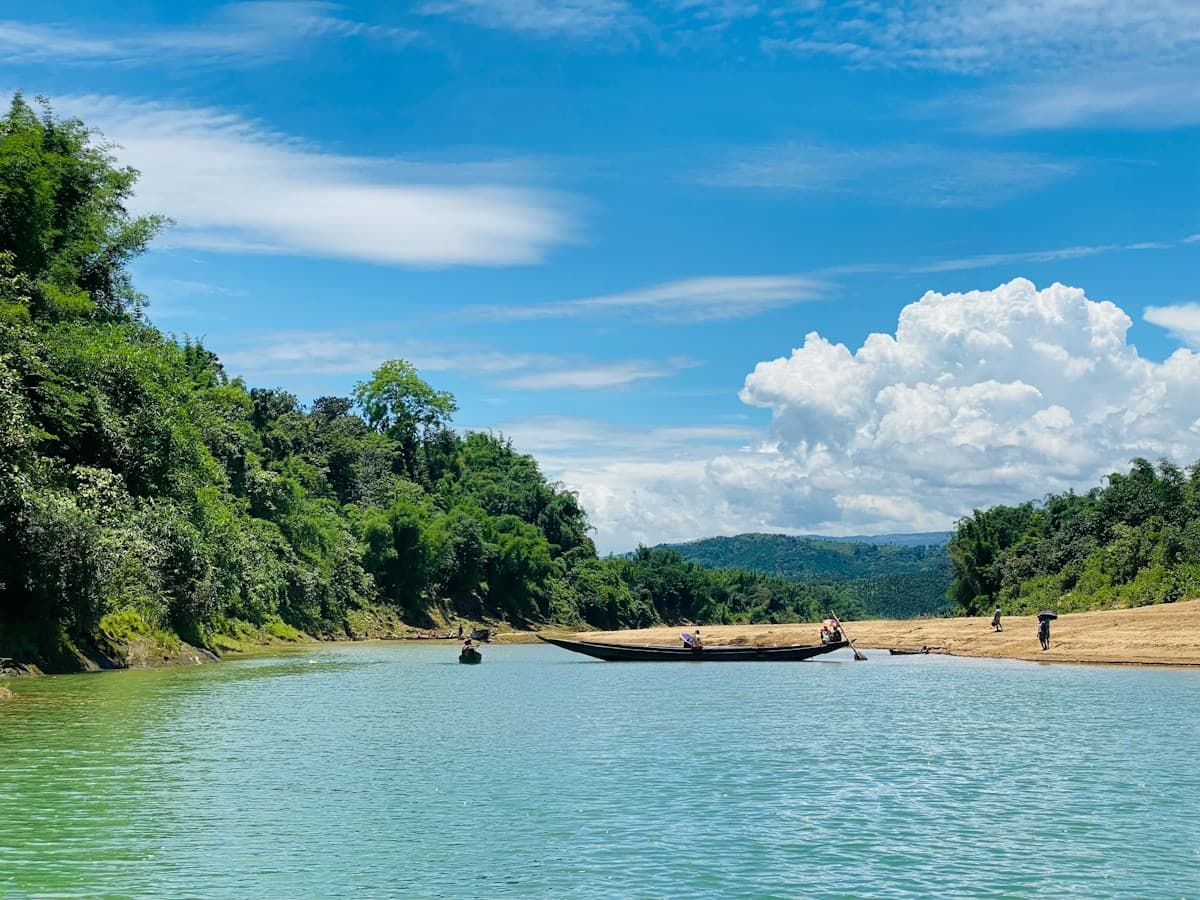
Rajshahi is a calm, green city on the north bank of the Padma, known as the Silk City and, every summer, as the capital of mangoes. Around it lies the old Varendra country, with some of the oldest heritage in Bangladesh. This Rajshahi travel guide covers the best time to visit, how to get there from Dhaka, the places to visit in the city and on day trips, what to eat and where to stay. For more, see our Rajshahi district guide.
Best time to visit Rajshahi
- October to February is the most pleasant time, with cool, dry days for sightseeing and warm kalai ruti on winter evenings.
- May to July is mango season, when the orchards of Rajshahi and Chapainawabganj are full and the markets overflow. It is hot, but for many visitors that is the whole point of the trip.
How to get to Rajshahi from Dhaka
Buses from Dhaka take about 5–6 hours, crossing the Jamuna on the Jamuna Bridge, with day and night departures. A night bus gets you to Rajshahi in the early morning, and the city is compact enough to start exploring straight away. Search buses from Dhaka to Rajshahi and compare times and bus types.
Trains run from Dhaka to Rajshahi station, and Shah Makhdum Airport has domestic flights.
Places to visit in Rajshahi city
- Padma riverbank: the city's favourite open space. Walk along T-Badh and the riverside promenades in the late afternoon and stay for the sunset over the river.
- Varendra Research Museum: grown from a research society founded in 1910 by local scholars, it holds sculptures, inscriptions and coins from across the Varendra region. A short rickshaw ride from Shaheb Bazar.
- Shah Makhdum's Shrine: the dargah of the Sufi saint most closely linked with Rajshahi, in Dargah Para near the river.
- University of Rajshahi: founded in 1953, with a large, green campus at Motihar on the eastern edge of the city.
Day trips from Rajshahi
Most visitors stay in the city and travel out by bus or hired car.
- Puthia Temple Complex: about 30 km east on the Natore road. The Puthia zamindars built a remarkable cluster of temples around the village ponds. Take a Natore-bound bus and get off at Puthia.
- Bagha Mosque: about 40 km south-east, built in 1523–24 in the Sultanate period and famous for its terracotta. About 1–1.5 hours by bus or CNG.
- Natore Rajbari: the seat of the Natore Raj, linked with Rani Bhabani. Buses reach Natore in about 1–1.5 hours; try the town's kacha golla while you are there.
- Paharpur Buddhist Vihara: the ruins of Somapura Mahavihara, built in the late 8th century by the Pala king Dharmapala. About 2.5–3 hours by road, so start early.
- Choto Sona Mosque: a stone-faced Sultanate mosque near the border in Chapainawabganj, about 1.5 hours to the town and another hour or so beyond.
- Mahasthangarh: the site of ancient Pundranagara near Bogura, among the oldest urban sites in Bangladesh, about 2.5 hours away.
Mango season and silk
From May to July, Rajshahi and Chapainawabganj are the heart of the country's mango harvest: Fazli, Himsagar, Langra, Gopalbhog and more, picked ripe. Many shops will send boxes home for you; check how and when they will deliver before you pay.
Rajshahi has been weaving silk for centuries, and the city's showrooms sell Rajshahi silk saris and cloth. It is the city's classic souvenir.
What to eat in Rajshahi
- Mangoes, in season, straight from the orchard towns.
- Kalai ruti: a thick flatbread of black gram and rice flour, eaten hot with chilli-onion bhorta or beef. The roadside stalls are busiest in the evening and in winter.
- Kacha golla: Natore's famous soft sweet of fresh chhana.
- Padma river fish: river fish, and hilsa in season, as curry or fried.
Shaheb Bazar, the central market, has restaurants and sweet shops, and tea and snack stalls line the river at sunset.
Where to stay in Rajshahi
- Shaheb Bazar and the city centre: most of the hotels, close to the museum, the shrine and the river.
- Near the Padma: hotels within walking distance of the riverside.
Puthia, Natore and Bagha are easy day trips, so there is little reason to move hotels.
Getting around
- The city is compact and easy on foot, by rickshaw or battery auto-rickshaw.
- For Puthia, Bagha, Natore and Chapainawabganj, take intercity buses from the city's terminals, or hire a car for the day.
- For Paharpur and Mahasthangarh, a hired car saves a lot of time.
Tips for visiting Rajshahi
- Go to the riverside in the late afternoon; midday sun on the open bank is harsh, especially in mango season.
- Check museum opening days and hours locally before you go.
- Dress modestly at mosques, temples and the shrine, and take off your shoes where asked.
- In mango season, buses and hotels can be busy; book ahead.
- Combine Puthia with Natore in one day, since both are on the same road.
- Gombhira, the satirical folk song of Chapainawabganj, is worth catching if a performance is on.
Ready to go? Search buses to Rajshahi, and explore more in our Rajshahi guide.
- #Rajshahi
- #Puthia
- #mango season
- #Silk City
- #travel guide