
Best Time to Visit Bangladesh: A Season-by-Season Travel Guide
Winter for beaches and heritage, the monsoon for waterfalls and haors, autumn for clouds and mountain views. Here is where to go in each season, which festivals to plan around and what weather to watch for.
5 min read
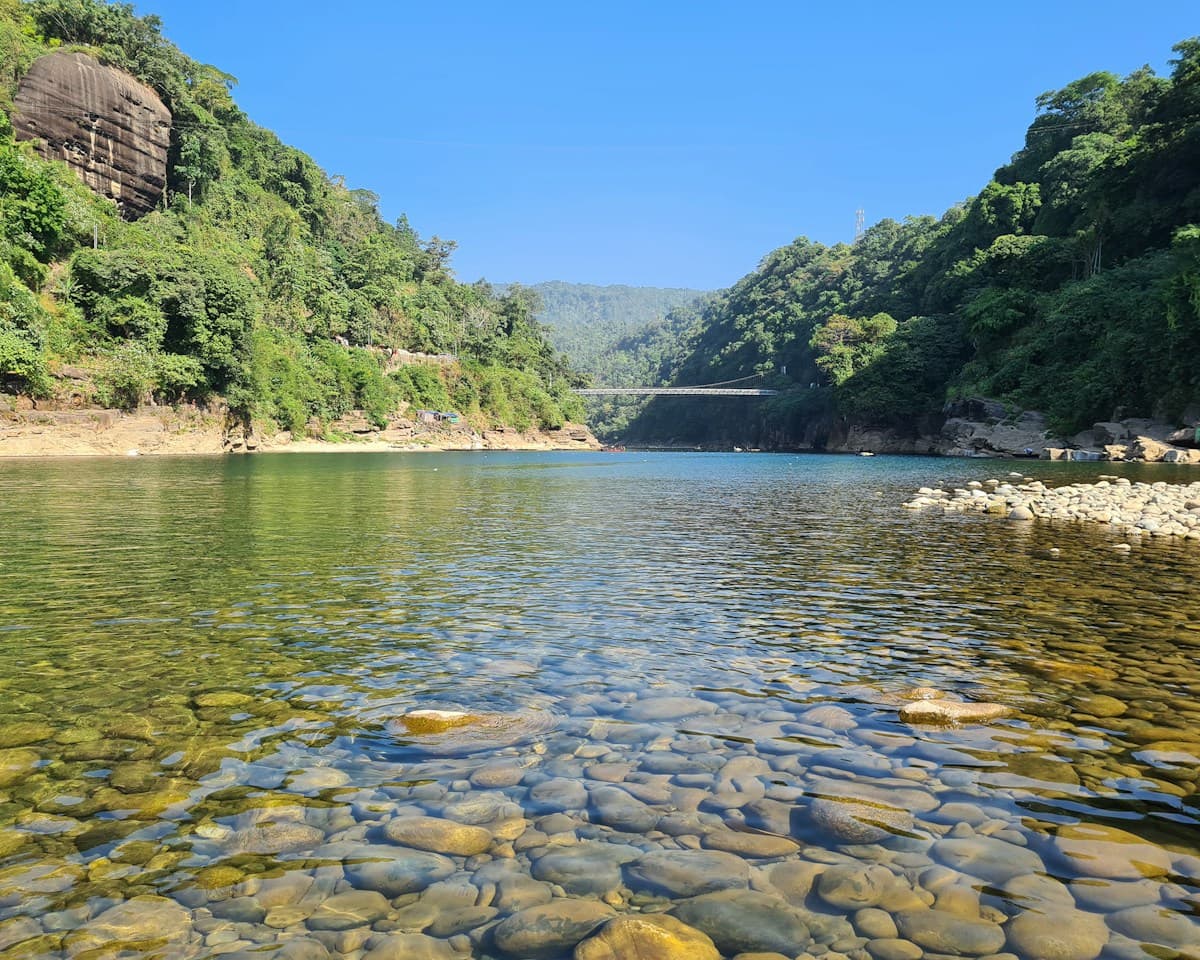
The best time to visit Bangladesh for most travellers is the cool, dry winter, from November to February. But that is only half the story. Some of the country’s finest sights, from the flooded forest of Ratargul to the full waterfalls of the hills, are at their best in the rains. This guide goes through the year season by season: where to go, which festivals to plan around and which weather to be careful of.
Bangla tradition divides the year into six seasons. For trip planning, five are enough: winter, spring, summer, monsoon and autumn.
Winter (November to February)
Cool mornings, dry roads and calm seas make winter the main travel season, and the busiest.
Where to go
- The coast. The sea is calm at Cox’s Bazar Sea Beach and Kuakata. Saint Martin’s Island can be visited only in the permitted winter season; check the current dates and rules before you plan.
- The Sundarbans. Cool weather and calm rivers make November to February the season for boat trips from Mongla.
- Heritage sites. Ruins and old mosques are far easier to explore without the heat: Paharpur, the Sixty Dome Mosque and Mahasthangarh are all at their best now.
- Birds on the wetlands. From December to February migratory birds gather at Tanguar Haor, Baikka Beel and Hakaluki Haor.
- Flowers. The fields of Gadkhali in Jashore are busiest from December to February, especially before Pohela Falgun, 14 February and 21 February.
Festivals and flavours
Winter is the season of date-palm juice, khejur gur and pitha, especially in Jashore and the south-west. In Old Dhaka, rooftops fill with kites for Shakrain in mid-January. 21 February, International Mother Language Day, is marked at Shaheed Minars across the country. Around the Kartik full moon, usually in November, the Rash Mela draws crowds to the Kantajew Temple and to Kuakata.
Watch out for
Dense fog on winter nights and early mornings can slow buses and ferries. Allow extra time, and avoid planning a tight connection on arrival. Winter is also peak season, so book weekend and holiday buses early.
Spring (February to April)
Spring is short, warm and bright.
- The silk-cotton trees of Shimul Bagan in Sunamganj are in full flower from February to early March.
- Pohela Falgun welcomes spring in mid-February, and Pohela Boishakh, the Bengali New Year on 14 April, is celebrated everywhere, with songs at Ramna in Dhaka.
- In April the Rakhine community of Cox’s Bazar and Kuakata celebrates Sangrai, its new year water festival.
- At Lalon Shah’s Shrine in Kushtia, Bauls gather around Dol Purnima in spring.
Days get hot by April, so plan sightseeing for mornings and late afternoons.
Summer (April to June)
Summer is hot and humid, and late spring and early summer bring sudden storms, the kalbaishakhi. It is not the season for long walks in the sun, but it has one great reward: fruit.
- Mangoes. From May to July the orchards of Rajshahi and Chapainawabganj are full of ripe mangoes.
- Lychees. Dinajpur is the best-known lychee district; the short season runs from late May into June.
An AC bus makes a real difference in this heat; see AC vs non-AC. May is also one of the cyclone months on the coast, so watch the weather before any boat trip.
Monsoon (June to September)
The rains turn the country green and full of water. Travel is slower, but some places are only at their best now.
Where to go
- Ratargul Swamp Forest stands in water from June to October; in winter the boats cannot go far in.
- The haors. Tanguar Haor is full from June to September, the season for houseboat trips, and Nikli Haor becomes an inland sea.
- Waterfalls and rivers. Madhabkunda, Khoiyachora and Bisnakandi are at their fullest.
- Floating markets. The guava markets of Bhimruli run from July to August.
- Hilsa. The monsoon and autumn are the season for fresh hilsa in Chandpur.
Watch out for
- Landslides in the hill districts after heavy rain; roads to some spots close.
- Rough water. Rivers rise fast, boats may not run, and the sea is rough; do not swim in a monsoon sea.
- Floods and muddy trails, with leeches in forests such as Lawachara.
- Ask locally on the morning you travel, and keep your plans flexible.
Autumn (September to November)
As the rains ease, autumn brings clear skies and full rivers, one of the most rewarding times to travel.
- Sajek Valley is famous for seas of cloud from roughly August to November.
- Kanchenjunga can appear above Tetulia at dawn from mid-October to November, though the view is never guaranteed.
- Waterfalls like Nafakhum are still full while the river calms, from September to November.
- Durga Puja brings pandals and festivity to towns across the country, and Lalon’s death anniversary is commemorated at Cheuria in mid-October.
- After the rainy-season retreat, Buddhist communities hold Kathin Chibar Dan, including at Rajban Vihara in Rangamati in October–November; check the date locally.
October and November are also cyclone months on the coast. If a storm is forecast, postpone sea and Sundarbans boat trips.
A note on Eid and holidays
The Eid holidays move each year with the Islamic calendar, and they are the busiest travel days of all. If your trip falls near Eid, book as early as you can; our Eid bus travel tips explain how.
Quick summary
- November to February: beaches, the Sundarbans, heritage sites, birds
- February to April: spring flowers and the Bengali New Year
- May to July: mangoes and lychees
- June to October: Ratargul, the haors, waterfalls and hilsa
- September to November: Sajek’s clouds and Kanchenjunga from Tetulia
Whatever the season, search buses for your route and book your seat early.
- #best time to visit
- #Bangladesh
- #seasons
- #festivals
- #weather