
Bangladesh Food Guide by Region: Famous Dishes and Sweets of Each District
Kacchi in Old Dhaka, mezbani beef in Chattogram, satkora in Sylhet, doi in Bogura and rosomalai in Cumilla: a region-by-region guide to the famous food of Bangladesh and where to find it.
5 min read
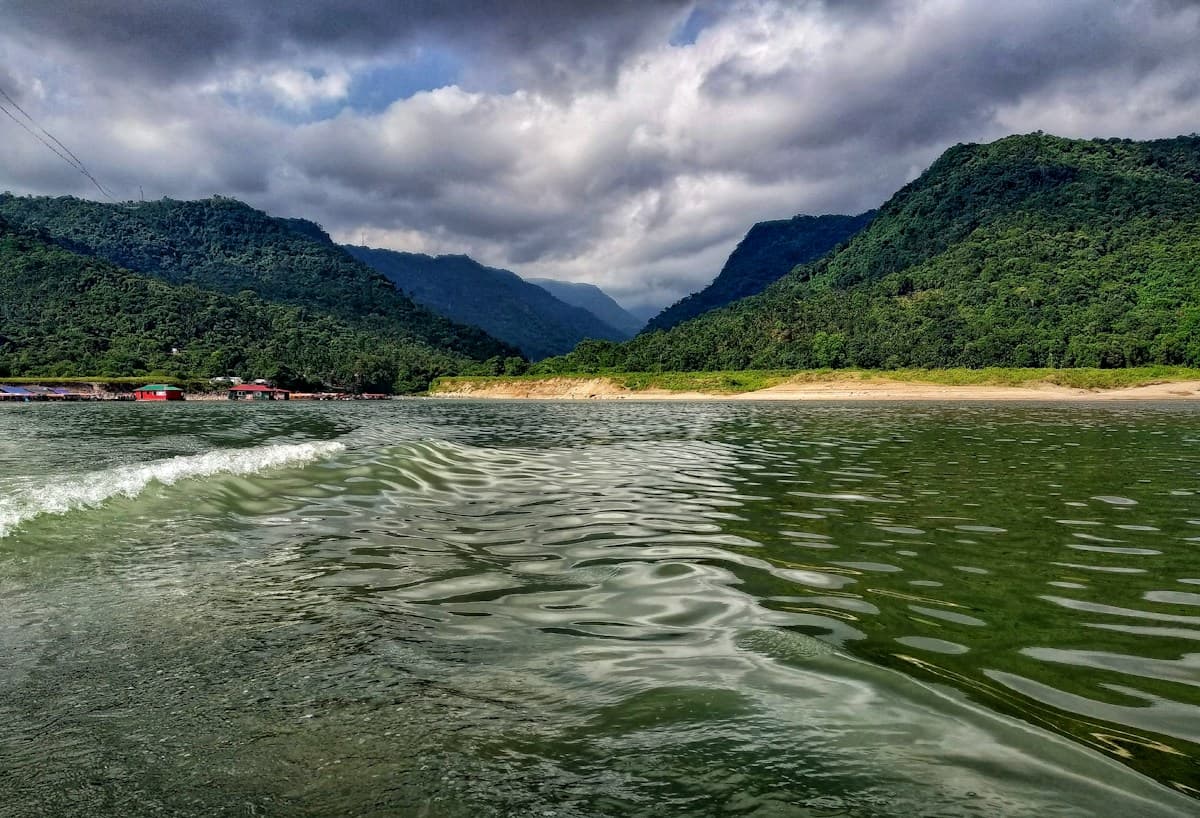
Ask anyone in Bangladesh what their home district is famous for, and the answer is often a food. Almost every town has a dish or sweet it is proud of, and for many travellers, eating it on the spot is half the point of the trip. This guide to the famous food of Bangladesh by district goes region by region, with a link to each place’s Discover guide for where to eat and what else to see.
Dhaka
Old Dhaka: kacchi, bakarkhani and morog polao
Old Dhaka is the capital of rich food. Kacchi biryani, mutton and rice layered raw and slow-cooked in a sealed pot, is its signature dish, served with spiced yoghurt borhani. Bakarkhani, a crisp layered bread baked in clay ovens, is eaten with tea, and morog polao is the wedding favourite. In Ramadan, the Chawkbazar iftar market is one of the city’s oldest food traditions. Combine a meal with Lalbagh Fort or Ahsan Manzil.
Around Dhaka
- Fried hilsa at Mawa. Fresh Padma hilsa fried crisp and served with rice by the river at Mawa.
- Porabari chamcham. A dense, reddish-brown chhana sweet, Tangail’s most famous food.
- Hazari gur. Light, fragrant date-palm jaggery from Manikganj, made in winter. Imitations are common, so buy from a trusted seller.
Chattogram and the south-east
Mezbani beef and kala bhuna
Chattogram is proudest of mezbani beef, cooked with a dark, rich spice blend as served at a mezban, the community feast where everyone is fed. Kala bhuna, beef fried slowly with spices until almost black, is very good with paratha. Try shutki (dried fish) and dip the hard bela biscuit in your tea.
Cox’s Bazar and the hills
On the coast at Cox’s Bazar, choose fresh fish from the display and have it fried; rupchanda (pomfret) fry is the classic plate. Ask the price by weight before they cook it. In the hills of Rangamati and Bandarban, try bamboo chicken, sealed inside a green bamboo tube and cooked over the fire.
Cumilla, Brahmanbaria, Chandpur and Feni
- Cumilla rosomalai. Cumilla has the country’s most famous rosomalai. Many shops use similar names, so check the address.
- Chhanamukhi. Small firm cubes of chhana in a sugar crust from Brahmanbaria; it keeps well for the journey home.
- Chandpur hilsa. The “City of Hilsa”, Chandpur, serves it fried, in mustard sauce or steamed in banana leaf, freshest in the monsoon and autumn.
- Buffalo-milk curd. Thick, slightly sour curd from Feni and Noakhali, often sold in clay pots.
Sylhet
Satkora beef, akhni and seven-layer tea
Sylhet cooks beef with satkora, a bitter-sour local citrus whose rind gives the curry its scent; it is found almost only here. Akhni is spiced rice cooked with meat, lighter than biryani. In Sreemangal, try seven-layer tea, poured in coloured layers, and plain fresh garden tea. In winter, look for chunga pitha, sticky rice cooked in a bamboo tube.
Rajshahi and the north-west
Rajshahi: mangoes and kalai ruti
Rajshahi and Chapainawabganj are mango country: Fazli, Himsagar, Langra and Gopalbhog from May to July. On a winter evening, eat kalai ruti, a thick flatbread of black gram and rice flour, hot with chilli-onion bhorta or beef.
Natore, Bogura and the sweets of the north
- Kacha golla. Natore’s soft sweet of fresh chhana, known across the country.
- Bogura doi. Thick, sweet, caramel-coloured yoghurt set in clay pots, the dish Bogura is known for. Pick up crunchy kotkoti at the Mahasthangarh bazar.
- Pabna ghee. Pabna is known for its ghee, doi and milk sweets.
Khulna and the south-west
Chui jhal and prawns
Khulna and Bagerhat cook mutton, beef or duck with chui, the peppery stem of a local vine that gives a warm, lingering heat; the roadside hotels of Chuknagar are famous for it. Golda and bagda prawns come as malai curry with coconut milk.
Date-palm gur and Kushtia’s tilkhaja
In winter, Jashore makes khejur gur and patali from date-palm sap, and winter pitha are everywhere. Kushtia is known for tilkhaja, a crisp, chewy stick of sesame and sugar.
Barishal and the south
Barishal and its neighbours are the land of guava, amra and river hilsa. In July and August, buy guavas straight from the boats at the Bhimruli floating market.
Mymensingh and the north
- Muktagachha monda. A flat, lightly browned sweet of chhana and sugar, made in Muktagachha for around two centuries. See the Mymensingh guide.
- Balish mishti. Netrokona’s large, pillow-shaped chhana sweet, topped with thickened milk.
Rangpur and Dinajpur
- Kataribhog rice and lychees. Dinajpur’s fine, fragrant rice, and lychees from late May into June.
- Shidol bhorta and Haribhanga mango. Rangpur’s fermented fish paste with chilli and garlic, and its own fibreless mango in June–July.
- Rosmonjuri. Small chhana balls in thick reduced milk from Gaibandha.
Tips for food lovers on the road
- Buy sweets fresh, from well-known shops, and check the address: famous names are often copied.
- Keep clay pots of doi upright and in your hand luggage, not in the hold. Dry sweets like chhanamukhi and tilkhaja travel best.
- Seasons matter. Mangoes and lychees are summer fruit, hilsa is best in the monsoon, and gur and pitha belong to winter. Our guide to the best time to visit Bangladesh helps you plan.
- Eat light before a long ride and save the feast for when you arrive.
Hungry yet? Search buses to the district you want to taste, and browse every district guide for more local food.
- #Bangladeshi food
- #regional food
- #sweets
- #food guide
- #Bangladesh